Reena Sommer | 6 Feb 2026


There is also no shortage of acronyms in the maintenance world. So, here is one more to add to the list: STO management, which is for Shutdown, Turnaround, and Outage. It also represents one of the most complex and high-stakes responsibilities for maintenance and operations teams. The reason is that these events temporarily halt normal production to allow critical maintenance, inspections, repairs, or upgrades that cannot be performed while equipment is running. While necessary, STOs also introduce heightened safety risks, compressed schedules, resource constraints, and significant financial exposure. When these activities are poorly executed, they can result in extended downtime, cost overruns, regulatory violations, and long-term damage to asset reliability.
Preventing these problems requires mastering STO management, which involves shifting from a reactive, event-driven mindset to a disciplined, strategic approach. In other words, rather than treating shutdowns, turnarounds, and outages as unavoidable disruptions, these processes should be viewed as controlled opportunities to restore asset health, improve performance, and reduce future failures.
This article explores what effective STO management entails, how shutdowns, turnarounds, and outages differ, and how organizations can consistently plan, execute, and improve STO events using structured processes and data-driven decision-making.
What is STO Management?
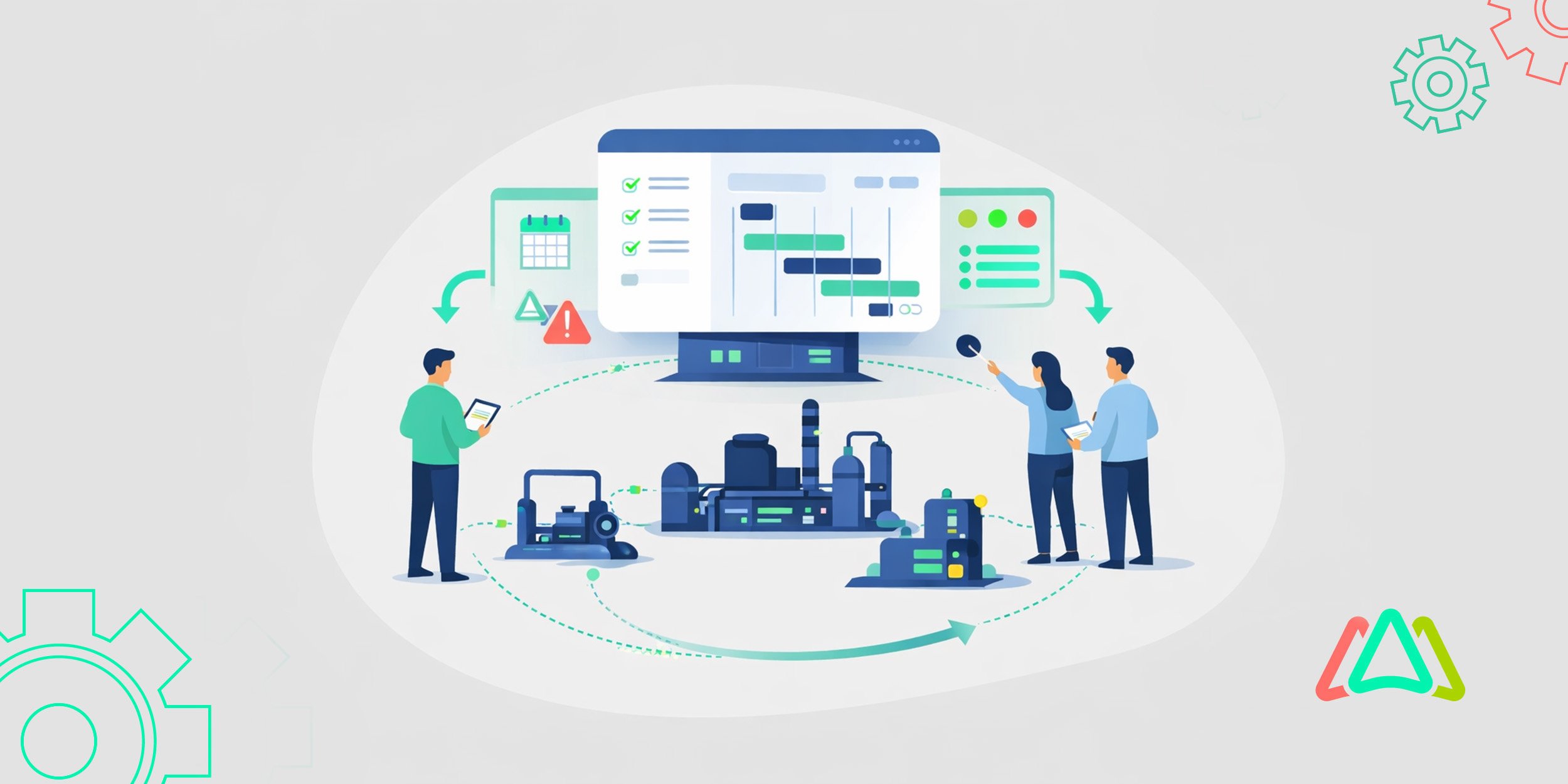
In short, STO management refers to the structured coordination of people, processes, assets, and information required to plan and execute shutdowns, turnarounds, and outages successfully. It encompasses everything from early scoping and budgeting to real-time execution control and post-event performance analysis. At its core, effective STO management ensures that necessary maintenance work is completed safely, efficiently, and predictably within a defined window of downtime.
Notably, one of the most common pitfalls in STO management is underestimating its scope. STOs are not just maintenance events; they represent cross-functional business initiatives. This means that maintenance, operations, engineering, safety, procurement, finance, and external contractors all play key roles. Without alignment across these roles, even well-planned STOs can quickly come apart. The bottom line is, effective STO management is an initiative that includes clear governance, standardized workflows, and shared accountability, so that every stakeholder understands their role before, during, and after the event.

Understanding the Components of STO Management
Shutdowns
Shutdowns are typically planned, limited-duration events focused on the execution of specific systems or equipment. They are often scheduled on a recurring basis and designed to address routine maintenance, inspections, compliance tasks, or targeted repairs that cannot be performed during normal operations. While shutdowns are by definition smaller in scope than turnarounds, they still require disciplined planning to ensure downtime is used efficiently.
In robust STO management programs, shutdowns are treated as intentional, well-planned events. Work scopes are tightly defined, materials are staged in advance, and job plans are validated well before execution. Because shutdown windows are designed to be limited, even minor unforeseen delays can escalate into extended downtime. Organizations that master shutdown execution use standardized procedures and historical performance data to continuously refine planning accuracy and improve reliability outcomes.
Turnarounds
Turnarounds represent the most complex and resource-intensive STO events. They are most commonly seen in industries such as refining, chemicals, and power generation, and involve extended downtime and comprehensive inspections, overhauls, replacements, and upgrades across entire systems or facilities. In contrast to shutdowns, turnaround events may occur every several years and often involve hundreds or thousands of work orders, large contractor workforces, and substantial capital expenditure.
Effective STO management is critical during turnarounds primarily because the margin for error is small. Issues such as scope creep, poor contractor coordination, or incomplete planning can lead to schedule overruns measured in days or weeks, with significant financial consequences. For these reasons, successful turnarounds rely on long-range planning, rigorous scope control, detailed scheduling, and continuous communication. Organizations that excel at turnaround execution regard planning as a multi-year process rather than a last-minute exercise.
Outages
Outages, whether they are planned or unplanned, are often the most disruptive STO events. Planned outages are typically scheduled to support regulatory inspections, major repairs, or system upgrades. On the other hand, unplanned outages result from unexpected failures, safety incidents, or external disruptions and require immediate response to restore operations as quickly and safely as possible.
From an STO management perspective, outages reveal the true nature of an organization’s maintenance strategy. More specifically, facilities with accurate asset data, clear emergency workflows, and accessible maintenance histories are positioned to diagnose issues faster and make better decisions under pressure. This is also where post-outage analysis comes into play, where unplanned events can often reveal systemic reliability gaps that can be addressed during future shutdowns or turnarounds.
Why STO Management Matters
STO management is fundamentally about risk control. During STO events, facilities experience higher-than-normal labor density, increased contractor presence, and non-routine work activities. As such, these conditions raise safety risks and require robust planning, permit management, and oversight. A structured STO management approach embeds safety into every phase of the event rather than treating it as a compliance checkbox.
Beyond safety, effective STO management directly impacts operational and financial performance. Poorly managed STOs are responsible for unplanned downtime, eroding production targets, and inflating maintenance costs. Conversely, well-executed STOs extend asset life, improve equipment reliability, and reduce the likelihood of emergency repairs. Organizations that approach STO management strategically gain greater control over downtime and create more predictable maintenance outcomes.
Key Phases of Effective STO Management
Planning and Scoping
Planning is the most critical aspect of STO management and often determines its success or failure long before execution begins. This phase includes defining the scope of work, assessing asset condition, identifying risks, estimating labor and material requirements, and establishing budgets and schedules. Faulty scoping is one of the leading causes of STO overruns, as missing or poorly defined work inevitably leads to last-minute changes.
Modern STO management emphasizes data-driven planning with a CMMS. Historical work order data, failure trends, inspection results, and risk assessments help teams prioritize tasks that deliver the greatest reliability and safety impact. By aligning scope with asset criticality and operational risk, organizations can avoid overloading STO events with low-value work that increases complexity without improving outcomes.

Execution and Coordination
The execution phase is where STO planning is put to the test. During an STO event, teams must coordinate labor, contractors, equipment, and materials within tight time constraints. Delays in one area can cause a ripple across the entire schedule, making real-time visibility and communication essential.
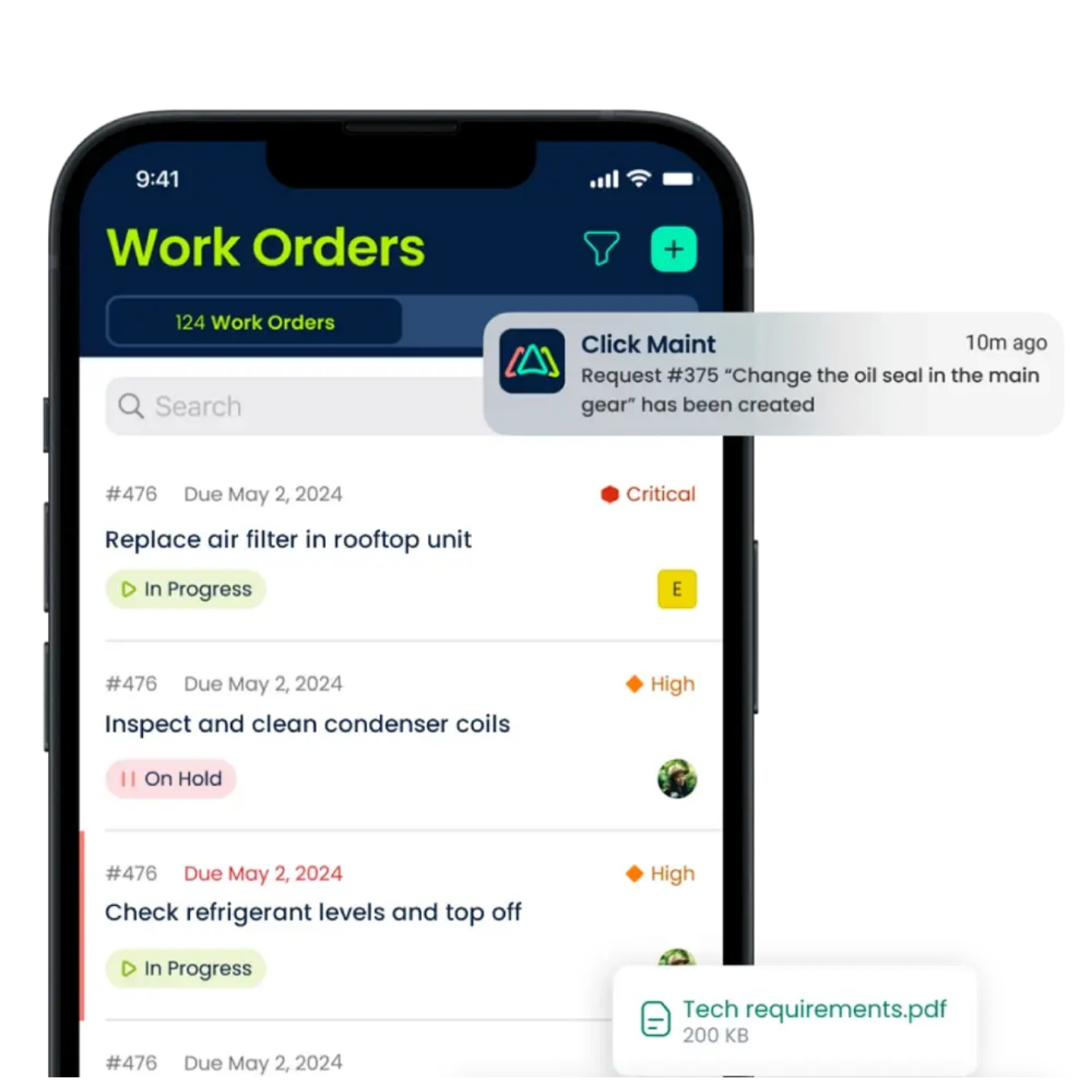
Strong STO management during execution relies on centralized tracking of work progress, safety protocols, and schedule changes. For event executions to be successful, supervisors need accurate, up-to-date information to make timely decisions and resolve conflicts. This is when mobile access to work orders and status updates is valuable because they enable faster issue resolution and keep teams aligned, particularly in fast-paced, high-pressure environments.
Post-Event Review and Continuous Improvement
STO management does not stop when operations resume. As noted above, post-event review is a critical phase that transforms each STO into a learning opportunity. This includes analyzing schedule adherence, cost performance, safety incidents, and work quality. Without this step, organizations risk repeating the same mistakes in future events.
Organizations that formalize post-STO reviews and feed lessons learned back into their planning processes and maintenance systems are best able to benefit from effective STO management. Over time, post-event reviews create a continuous improvement loop that improves forecasting accuracy, strengthens job planning, and reduces uncertainty. Mature STO management programs treat every event as a data point that informs the next.
Tools That Support Effective STO Management
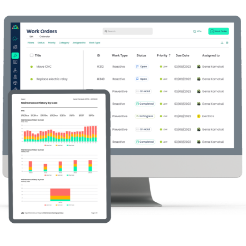
Digital tools play a central role in modern STO management by providing an authoritative source for planning, execution, and analysis. CMMS and EAM platforms enable teams to manage work orders, asset histories, labor resources, and materials in one integrated environment. This visibility improves coordination and reduces reliance on spreadsheets and disconnected systems.
Advanced STO management tools also support real-time progress tracking, contractor oversight, and performance reporting. When integrated into daily maintenance operations, these systems allow organizations to plan STO events using accurate historical data and execute them with greater control and confidence.
Suggestions for Mastering STO Management
Mastering STO management requires discipline and consistency in execution. This is reflected in how leading organizations prepare well in advance of planned downtime. For example, a manufacturing facility planning a major turnaround may establish a formal STO governance team that includes maintenance, operations, safety, and procurement leaders, each with clearly defined decision-making authority. Scope is frozen weeks or months in advance to prevent last-minute additions, allowing planners to fully validate job plans, confirm labor requirements, and sequence work accurately. In practice, this might include walk-downs to verify asset condition, pre-approving permits, and confirming contractor readiness. Materials, tools, and spare parts are staged at the job site before the event starts, ensuring technicians are not waiting on deliveries or searching for equipment during execution. This disciplined approach minimizes delays, reduces confusion, and allows teams to focus on completing work safely and efficiently within the planned downtime window.
Beyond this, using performance data to guide decision-making is equally important. Organizations that analyze past STO results to examine delays, cost drivers, and safety trends are better positioned to refine processes and improve outcomes. Over time, this approach transforms STO management from a reactive necessity into a strategic advantage.
Common Challenges With STO Management and How to Overcome Them
Despite careful planning, STO still has challenges. These include: scope creep, labor shortages, supply chain disruptions, and communication breakdowns. Without strong controls, these issues can escalate quickly, compromising schedules and safety.
Effective STO management addresses these challenges through standardized workflows, clear accountability, and integrated systems that provide real-time visibility. By anticipating risks and building contingency plans into STO strategies, organizations can respond proactively rather than reactively, even when conditions change.
Conclusion
Mastering STO management is not about eliminating downtime. Instead, it’s about controlling it. Shutdowns, turnarounds, and outages are unavoidable in asset-intensive environments, but their impact can be minimized through disciplined planning, structured execution, and continuous improvement.
Organizations that invest in strong STO management practices are positioned to move beyond maintenance and firefighting toward proactive asset stewardship. By leveraging data, aligning cross-functional teams, and learning from every event, maintenance and operations leaders can transform STOs into strategic opportunities that improve safety, reliability, and long-term operational performance.
TABLE OF CONTENTS