Reena Sommer | 11 Dec 2025


Unexpected equipment breakdowns can disrupt operations, increase repair costs, and reduce productivity. For many organizations, unscheduled downtime due to maintenance neglect is a key contributor to lost revenue. This problem underscores the need for preventive maintenance and highlights the importance of a structured approach that focuses on regular inspections, servicing, and part replacement before failures occur.
Preventive maintenance (PM) is the opposite of reactive maintenance, in which repairs are performed only after an asset fails. With PM, maintenance teams can reduce the likelihood of costly breakdowns, extend asset life, and maintain consistent production output.
However, when preventive maintenance is tracked manually in spreadsheets or paper checklists, tasks often fall through the cracks, with no one taking responsibility or performing the checks. These inefficiencies in the approach can eventually erode the very essence of a preventative program. A CMMS (Computerized Maintenance Management System) addresses these issues by automating maintenance scheduling, assigning work orders, and tracking completed work, while providing complete asset history information in a single system. It delivers an overview of the proactive maintenance, and no job is forgotten.
This article explores practical CMMS examples for preventive maintenance that demonstrate how maintenance teams in manufacturing, facilities, and other industries use technology to organize maintenance programs effectively.
Fundamentals: Why Preventive Maintenance Matters
Benefits of Preventive Maintenance
Preventive servicing is of great importance to guarantee reliability, safety, and cost-effective service life. The reason that comes to mind immediately is a shorter downtime. Servicing assets just before they fail helps to avoid unanticipated shutdowns that halt production.
Preventive maintenance also helps in extending equipment lifespan by addressing wear and tear early, enabling machines to perform at peak efficiency for longer.
Another key benefit is improved safety and compliance. Regular inspections reduce the risk of accidents caused by faulty equipment while ensuring adherence to safety regulations. Preventive programs also support predictable budgeting and cost control, as maintenance tasks are planned and costs can be forecast in advance. In addition, consistent maintenance improves productivity and efficiency, as technicians work from organized schedules rather than responding to emergency calls.

Drawbacks of Reactive Maintenance
Proper CMMS software implementation is crucial for several reasons. It helps organizations efficiently manage their maintenance activities, enhance productivity, and achieve cost savings. Here are some of the many reasons why correct CMMS implementation is so important:
Standardization of Processes
Relying solely on reactive maintenance often leads to higher repair costs and unplanned downtime. Rushed parts orders, overtime labor, and missed production targets increase operational expenses. It also introduces safety and compliance risks since neglected assets are more likely to fail without warning.
How Preventive Maintenance Fits into Broader Strategies
Preventive maintenance complements other strategies such as corrective, predictive, and condition-based maintenance. Preventive maintenance based on time is scheduled at fixed intervals, while preventive maintenance based on usage is driven by operating cycles. Predictive maintenance relies on data and sensors to detect signs of failure early. Both these methods can be used together by companies to address the cost/reliability trade-off.
The Role of a CMMS
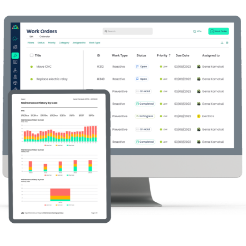
A Computerized Maintenance Management System (CMMS Software) automates preventive maintenance. It handles scheduling, sends reminders, creates work orders, tracks parts inventory, and maintains complete maintenance records. By eliminating manual tracking, a CMMS ensures accountability, reduces errors, and centralizes maintenance data for better decision-making.
Types of Preventive Maintenance Methods
Time-Based Preventive Tasks
Preventive maintenance is the practice of servicing equipment at regular intervals, even when an asset is idle. Usually, these schedules are based on the manufacturer's recommendations or operational experience. Common examples include changing air filters every three months and lubricating bearings every six months. This approach ensures that critical components are serviced before potential wear causes significant issues, helping maintain consistent performance.
Usage-Based Preventive Tasks
Usage-based maintenance depends on the frequency or duration of asset operation. Rather than time-based intervals, maintenance is based on the number of cycles, hours, or a certain number of production runs. For instance, performing oil service after 1,000 running hours or belt service after 5,000 cycles is a preventive practice that supports more efficient, economical operation.
Calendar and Seasonal Tasks
Specific maintenance tasks are affixed to seasonal circumstances. These range from HVAC inspections ahead of summer or winter to winterizing your pipes ahead of the cold months. Seasonal maintenance helps prepare assets for environmental changes that could affect their performance or lifespan.
Inspection and Condition Checkpoints
Periodic examinations are necessary to detect early wear and tear. For example, monthly inspections of belts, hoses, and valves can be conducted visually, as can safety inspections of fire extinguishers and emergency lights. Routine inspections help detect problems early, preventing costly repairs.
Parts Replacement and Facility Tasks
Scheduled parts replacement, like replacing seals or filters annually and replacing batteries every two years, is also part of preventive maintenance. Facility tasks include cleaning gutters, inspecting roofs, checking electrical panels, and examining plumbing systems for leaks or corrosion.
Preventive Maintenance With a CMMS Use Cases
Manufacturing and Industrial Equipment
In factory settings, the CMMS enables the ordering and scheduling of service activities such as lubrication, belt check, and vibration analysis. Tasks are set by time or usage to ensure the equipment is maintained before failure. For example, you can set up triggers to alert you when a machine reaches a specific number of cycles or hours of use. It also records historical maintenance information that the team can use to identify failure trends and adjust preventive intervals for better timing. This approach improves machine reliability and supports continuous process improvement.
Facilities, Utilities, and Building Systems
For building systems such as HVAC, electrical, and plumbing, a CMMS is fundamental for controlling planned maintenance. It can set maintenance reminders for air filter changes, duct cleaning, and thermostat calibration at regular intervals. And for electrical systems, it helps prevent late breaker tests and insulation checks. It also tracks inspections of building components, such as roofs and drainage systems, to help keep the facility safe and up to code.
Retail and Commercial Spaces
In retail and commercial buildings, a CMMS also takes care of preventative maintenance for point-of-sale (POS) systems, CCTV cameras, and lighting. Preset software updates, hardware inspection, and light replacements help to keep equipment running smoothly. Escalators and elevators can be scheduled for lubrication and safety checks, which can then be tracked and recorded in the CMMS system to ensure customer safety.
Hospitality, Educational, and Other Sectors
Hotels and resorts use CMMS tools to manage maintenance for guest room equipment, pool systems, and outdoor facilities. Similarly, schools and universities use CMMS platforms to schedule HVAC checks, calibrate lab equipment, and maintain sports facilities.
Cross-Industry CMMS Capabilities
Across all industries, CMMS platforms provide centralized dashboards for monitoring preventive maintenance compliance. They send alerts for overdue tasks, integrate with IoT sensors to trigger automated actions, and link directly to inventory systems so that required parts are automatically reserved or reordered when needed.
Step-by-Step: How to Implement Preventive Maintenance Using a CMMS
Step 1: Audit and Asset Inventory
Begin by identifying all tangible assets in your building. Make sure you record important information: make, model, location, and age. Categorize assets by their function and importance. Determine which assets need preventive maintenance. This auditing ensures that your CMMS configuration is complete and data-based.
Step 2: Define Preventive Tasks and Intervals
Then determine which specific maintenance tasks each asset requires and how frequently they must be performed. Refer to manufacturer recommendations and past performance records, and perform a risk assessment to determine which activities to pursue. Determine if each assignment is time-related (e.g., every 30 days) or usage-related (e.g., every 500 hours)..
Step 3: Enter Tasks into the CMMS
Enter each preventive maintenance job in your CMMS as a template or checklist. Detail the steps of your task, the necessary tools, and precautions. Link these tasks to the relevant assets, set maintenance frequencies, and assign them to the appropriate technician groups.
Step 4: Schedule and Automate
Schedule all maintenance jobs to run automatically. Schedule reminders, alarms, and escalation rules to ensure nothing slips through the cracks. This automaticity ensures maintenance checks are scheduled without requiring tracking or logging.
Step 5: Assign Work Orders and Execute
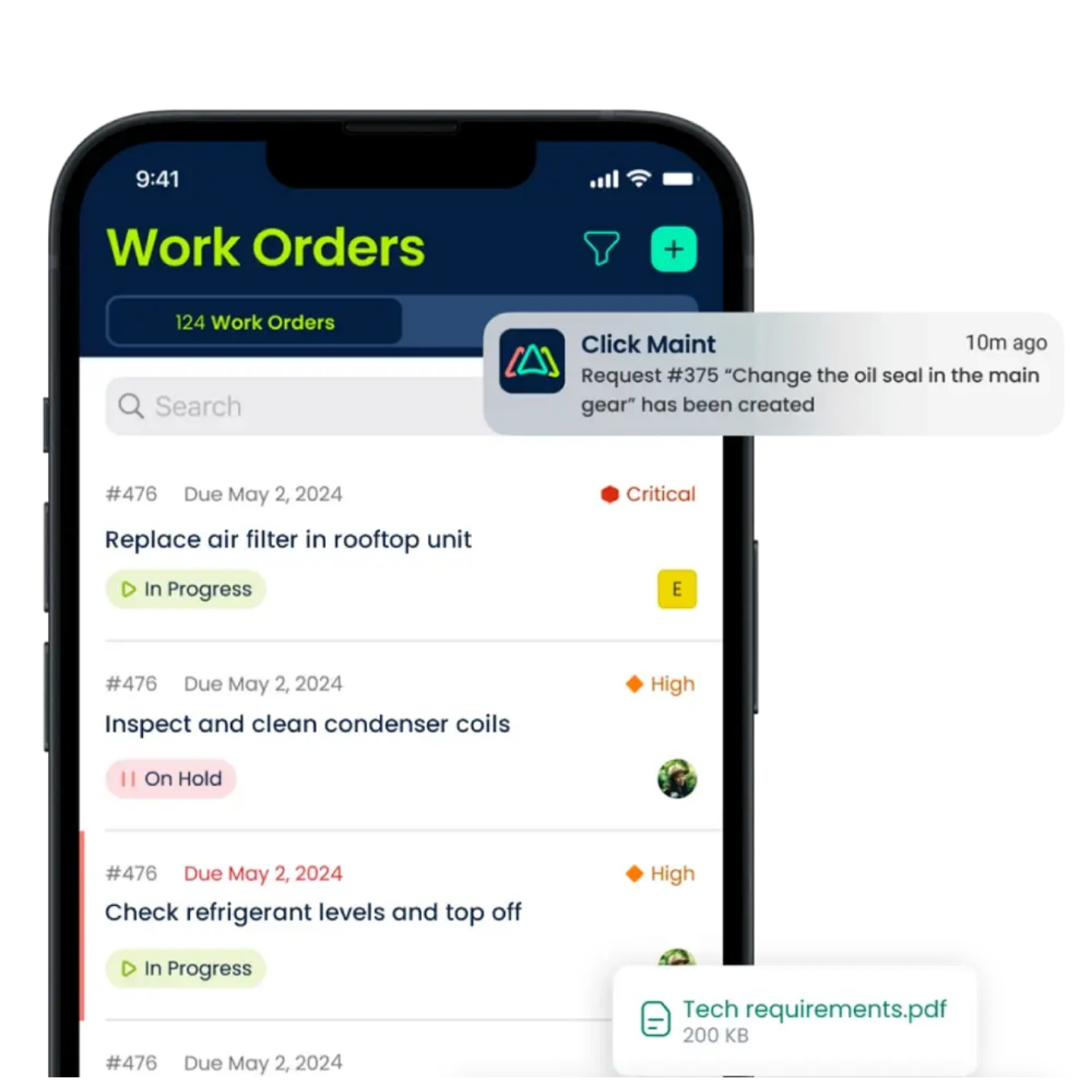
As tasks come due, the CMMS automatically generates work orders and assigns them to technicians. Teams receive notifications on mobile devices or dashboards, complete the work, and upload notes or photos for documentation.

Step 6: Track, Analyze, and Improve
Monitor performance using CMMS dashboards that display metrics such as compliance rate, overdue tasks, and mean time between failures. Review results regularly, adjust task frequencies, and introduce condition-based triggers as your program matures.
Challenges
Poor planning and follow-through have led to the failure of many preventive maintenance programs. One of the most pervasive challenges is incorrect or incomplete asset data, which undermines scheduling and tracking, including fatigue and sick days. Over-bombarding the maintenance team will burn them out and cause them to miss work. Resistance from technicians or a lack of buy-in often undermines consistency. Other pitfalls include ignoring overdue tasks, allowing backlogs to grow, running out of spare parts at critical times, and failing to track feedback or adjust maintenance intervals over time, which further limit long-term program success.
Best Practices and Tips
Prevent challenges by starting small and piloting your PM program on the most critical equipment, then growing. Leverage the CMMS detailed checklists and SOPs to ensure consistency.
Train the technicians properly and hold them accountable for their work. Use dashboards and KPIs to monitor compliance and identify potential red flags early. If suitable. combine IoT or Condition-Monitoring devices to reinforce time-based maintenance with real-time data.
Conduct regular audits to review asset performance, refine schedules, and ensure spare parts are always available when needed.
Measuring Success and ROI
Success in preventive maintenance is best measured through clear metrics. Track reductions in downtime, repair costs, and work order backlog, as well as improvements in uptime, asset life, and technician efficiency. Compare these results against your pre-CMMS baseline to quantify ROI. Documenting small wins or case studies strengthens credibility and helps demonstrate the tangible value of a well-managed preventive maintenance strategy.
Conclusion
Preventive maintenance is still one of the best ways to remain productive and lower operating costs, regardless of whether you’re running a manufacturing plant, managing a power plant, a healthcare facility, a school, a warehouse, or a retail outlet. Scheduling, data tracking, and accountability are usually not well handled in these manual systems." This gap can be filled with a preventive maintenance software, which automates and manages all preventive maintenance activities and enables the creation of work orders and the viewing of the entire maintenance history in one place.
In the future, the integration of CMMS with IoT sensors, AI (Artificial Intelligence), and predictive analytics will further empower preventive maintenance. These capabilities will enable real-time condition-based monitoring and predictive scheduling, enabling organizations to shift from a reactive mindset to proactively managing reliability based on data. Investing in CMMS today positions businesses to embrace the future of intelligent, connected maintenance.
TABLE OF CONTENTS