Reena Sommer | 23 Jan 2026


When we think of inspections, we usually think about ensuring regulatory compliance and avoiding penalties or even legal action. However, when it comes to school inspections, it is much more than a regulatory requirement. Because of their role, a school inspection is a direct reflection of how well it protects its students, staff, and community. For these reasons, school inspectors are tasked with ensuring that learning environments are safe, functional, accessible, and compliant with applicable standards. While ensuring teaching quality and appropriate administrative matters, the condition of school facilities plays a significant role in determining inspection outcomes.
Robust school maintenance practices are fundamental to successful inspections. Schools that rely on reactive fixes or last-minute cleanups often experience unnecessary stress, unexpected failures, and repeat citations. In contrast, schools that prioritize preventive maintenance procedures, documentation, and an accountability regimen approach inspections with confidence rather than concern.
Here, we’ll offer a guide that explains what inspectors look for, why maintenance issues are among the most common causes of inspection findings, and how schools can build a repeatable process that keeps facilities inspection-ready throughout the year.

Understanding the School Inspection Process
A school inspection evaluates whether the facility supports a safe and effective learning environment for students and staff. While requirements vary by region and governing authority, most inspections include a thorough review of a school’s physical conditions, safety systems, accessibility, and maintenance practices.
Inspectors typically examine:
- Building integrity and overall condition
- Safety systems such as fire alarms, emergency lighting, and exits
- HVAC, plumbing, and electrical reliability
- Cleanliness, sanitation, and hygiene standards
- Accessibility for students and staff with disabilities
- Maintenance records and compliance documentation
Significantly, inspections are not limited to visible issues. Inspectors frequently request proof that systems are being maintained on a routine basis. For example, during a school inspection, inspectors may ask to see dated HVAC service logs, fire alarm testing records, or preventive maintenance work orders to verify that critical systems are inspected and maintained on a routine schedule rather than repaired only when they fail. Schools that cannot produce maintenance logs, inspection reports, or service histories may be cited even if the equipment appears functional.
Common School Maintenance Issues That Trigger Inspection Failures
Many schools fail inspections not because of significant hazards but because of small, recurring maintenance gaps that accumulate over time. These may include missed preventive maintenance tasks, delayed minor repairs, incomplete documentation, and inconsistent safety checks, which, on their own, seem minor but, collectively, signal poor school maintenance practices and increase the risk of school inspection findings.
Deferred maintenance is one of the most frequent causes of inspection findings. Aging roofs, worn flooring, damaged walls, and malfunctioning doors can be a flag for neglect, even if they do not pose immediate danger. But over time, these issues raise concerns about safety and long-term facility planning.
Documentation gaps are another significant risk. Missing inspection records, incomplete work orders, or inconsistent reporting make it difficult to prove compliance. Inspectors expect clear evidence that maintenance activities are tracked and completed on schedule.
Mechanical system deficiencies, particularly those involving HVAC and plumbing systems, are also common areas of concern. Poor ventilation, inconsistent temperatures, leaks, or outdated systems catch the attention of inspectors because they can directly affect student comfort and health.
Fire safety failures, such as blocked exits, expired extinguishers, or untested alarms, are among the most serious inspection findings. These issues often result from the maintenance team’s missed inspections rather than intentional oversight.
Finally, cleanliness and hygiene issues, including restrooms, cafeterias, and waste areas, frequently appear in inspection reports and are closely tied to daily maintenance routines.
The Role of Preventive School Maintenance in Inspection Readiness
Preventive school maintenance is the single most effective strategy for consistently passing inspections. With this approach, preventive maintenance focuses on identifying and resolving issues before they escalate. It’s a proactive approach that prevents costly and time-consuming repairs. Routine inspections of building systems also reduce emergency repairs and extend equipment lifespan. Scheduled servicing ensures that HVAC units, fire alarms, lighting, and plumbing systems operate within required standards.
Another benefit of preventive maintenance is that it creates predictable workflows. When tasks are scheduled in advance, staff workloads are balanced, and inspections become confirmations of good practice rather than stressful audits. This improves daily maintenance routines and keeps equipment inspection-ready.
Schools that adopt preventive maintenance programs are better positioned to demonstrate compliance, reduce costs, and maintain safe learning environments year-round.
Documentation: Your Strongest Asset During a School Inspection
Clear documentation can make the difference between a smooth inspection and a failed one. As noted, inspectors rely on records to verify that maintenance tasks are completed consistently and correctly.
Essential documentation typically includes:
- Complete work orders and repair histories
- Preventive maintenance schedules
- Safety inspection logs
- Compliance certificates and test results
- Vendor service reports
Centralizing these records is critical. Paper files stored across departments increase the risk of missing or outdated information. A centralized system using a Computerized Maintenance Management System (CMMS Software) enables staff to quickly retrieve records, respond to inspector requests, and demonstrate accountability. (Check out CMMS Software for schools)
Well-organized documentation denotes professionalism and reinforces confidence in the school’s operational practices.
Training Staff for Inspection Success
Even the best maintenance plan can fail without informed staff. Maintenance and custodial teams are often the first point of contact during inspections, and their preparedness matters.
Staff should understand inspection expectations, know where documentation is stored, and feel confident in answering basic questions about maintenance routines. Regular staff training reinforces best practicesthat will be employed and ensures consistency across shifts and buildings.
Clear communication between leadership and maintenance teams ensures that inspection readiness proceeds without flaw, not as a last-minute, haphazard directive.
Preparing for a School Inspection: A Step-by-Step Approach
Preparing for a school inspection should begin well in advance of a confirmed inspection date. Schools that treat inspection readiness as an ongoing process avoid last-minute scrambling and missteps.
The preparation process begins with internal walkthroughs that mirror inspection criteria. Maintenance teams should regularly review classrooms, corridors, restrooms, mechanical rooms, and exterior areas, noting any issues that require attention.
Secondly, prioritize high-risk areas, including fire safety systems, emergency exits, accessibility features, and mechanical equipment. Address any critical issues immediately and schedule lower-priority repairs strategically. An approach such as this allows for appropriate scheduling, ordering parts if necessary, and time management well in advance of an inspection.
Next, assign clear responsibilities to staff members so that everyone understands their role before, during, and after the inspection. Communication between administrators, maintenance teams, and custodial staff is essential. This level of preparedness ensures that staff are aware of when an inspection will take place and how best to accommodate inspectors.
Finally, verify that all documentation is current, complete, and accessible. Inspection readiness is as much about preparation as it is about physical conditions.
School Inspection Readiness Checklist
Use this comprehensive checklist as a practical guide to ensure your school is inspection-ready at all times.
Facility & Structural
☐ Walls, ceilings, and floors are free of damage
☐ Doors and windows operate properly
☐ Stairways and railings are secure
☐ Roofing and exterior surfaces are maintained
Safety & Compliance
☐ Fire alarms are tested and documented
☐ Emergency lighting is functional
☐ Fire extinguishers are inspected and accessible
☐ Exits are clearly marked and unobstructed
☐ Safety signage is visible and compliant
Mechanical Systems
☐ HVAC systems are serviced and operational
☐ Ventilation is adequate in classrooms and restrooms
☐ Plumbing is free of leaks or blockages
☐ Electrical panels are labeled and accessible
Cleanliness & Hygiene
☐ Restrooms are clean and fully functional
☐ Cafeteria and food service areas are sanitary
☐ Waste disposal areas are maintained
☐ Pest control measures are documented
Accessibility
☐ Ramps, elevators, and accessible entrances are operational
☐ Accessible restrooms are compliant with requirements
☐ Signage meets accessibility requirements
Documentation
☐ Preventive maintenance schedules are up to date
☐ Work orders are completed and logged
☐ Safety inspection records are available
☐ Compliance certificates are current
How Technology Improves School Inspection Outcomes
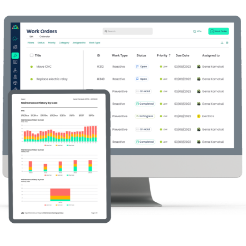
Modern maintenance technology, such as a CMM, plays an increasingly important role in inspection readiness. Digital systems allow schools to track assets, schedule tasks, and store documentation in one centralized platform.
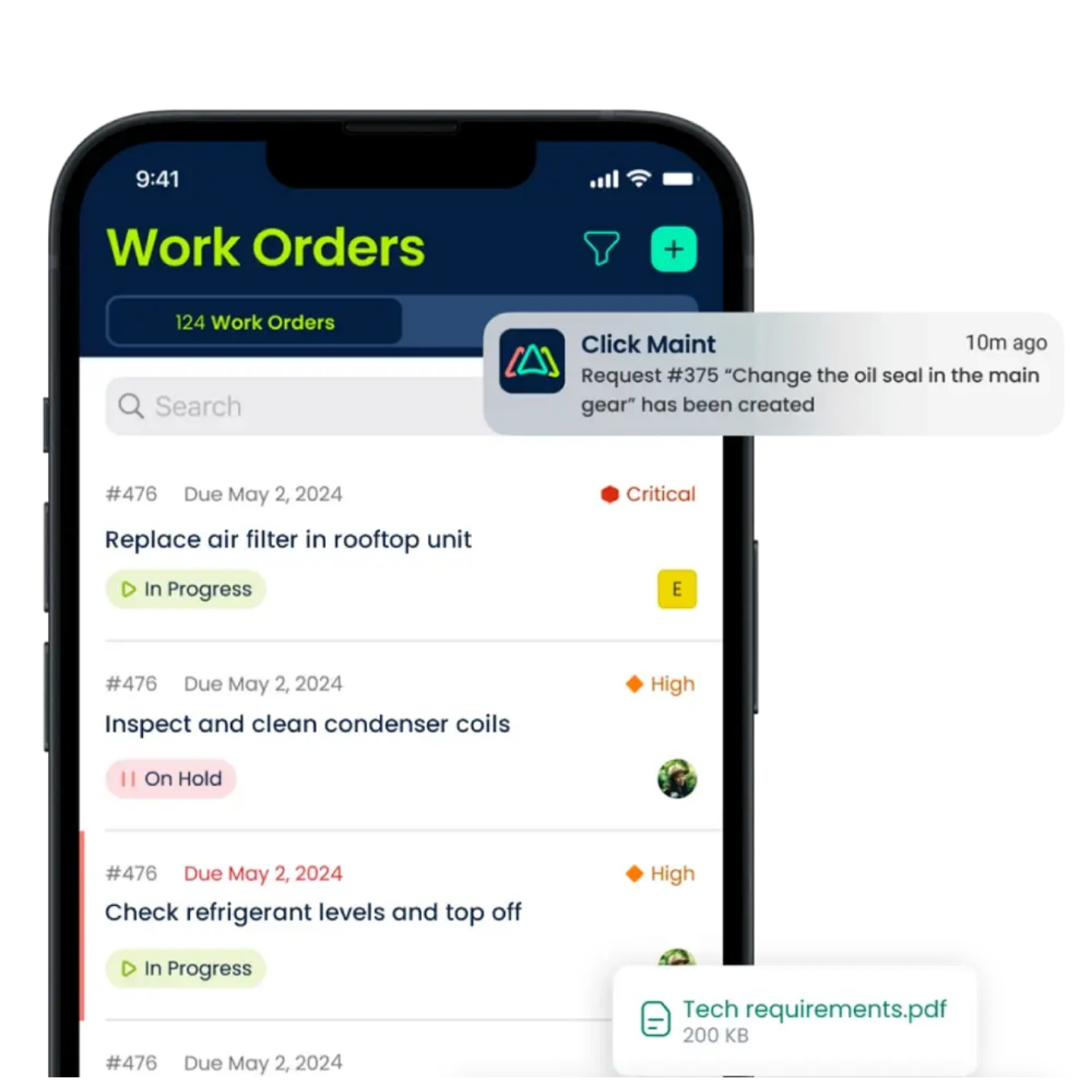
A CMMS sends automated reminders,s ensuring inspections and servicing are never missed. Real-time reporting provides visibility into maintenance backlogs and compliance status across buildings or campuses.
Technology also improves accountability. When tasks are assigned, tracked, and verified digitally, schools can demonstrate consistent follow-through,h which is what inspectors are looking for.
For multi-campus districts or aging facilities, technology transforms inspection preparation from a reactive process into a strategic advantage at scale.
Turning Inspections into a Continuous Opportunity for Improvement
Inspections should not be regarded exclusively as a pass-or-fail event. Instead, the valuable feedback provided should be seen as an opportunity to strengthen long-term school maintenance strategies.
Review inspection reports carefully and identify patterns that may surface in their findings. Use this information to refine preventive maintenance schedules, improve documentation processes, and address recurring problem areas.
Schools that treat inspections as learning opportunities build resilience, improve safety outcomes, and reduce future compliance risks.
Conclusion
The Cornerstone: Make Preventive Maintenance a Priority
The foundation of inspection success lies in shifting from a reactive "fix-it-when-it-breaks" mentality to a robust preventive maintenance (PM) strategy. Preventive maintenance schedules are designed to avoid failures before they occur, ensuring that critical assets and infrastructure (HVAC systems, fire safety equipment, roofing, plumbing) remain in optimal working condition.
- System Integrity: Regular PM checks ensure all safety and operational systems, such as fire alarms, emergency lighting, and security systems, are fully functional and compliant with all local and national regulations. This removes the major risk factors that inspectors focus on.
- Aesthetic and Operational Excellence: Proactive maintenance prevents the visual decay that can signal systemic neglect. Well-maintained facilities, from freshly painted walls to clean and functional restrooms, convey an immediate impression of care and professional management, instilling confidence in the inspector before they even review the documentation.
- Budgetary Predictability: While not directly an inspection requirement, a well-executed PM plan reduces costly emergency repairs and demonstrates sound fiscal management, a key element of overall organizational stability that an inspector may implicitly assess.
The Essential Proof: Maintaining Clear and Accessible Records
In the world of school inspections, "if it wasn't documented, it didn't happen" is the rule. Detailed, easily retrievable records are indisputable evidence of compliance and diligent management.
- Centralized Digital Documentation: Modern schools leverage Computerized Maintenance Management Systems (CMMS), Facility Management Software (FMS), or similar software applications to maintain a comprehensive history of every asset. These systems provide a single source of truth for all maintenance activities, including work order history, inspection checklists, repair costs, and compliance documentation.
- Compliance Audits: Records must clearly demonstrate adherence to mandatory inspections and certifications, such as annual boiler inspections, fire extinguisher service logs, and playground safety checks. The ability to instantly pull up these documents saves time and validates the school’s commitment to safety standards.
- Staff Accountability: Clear documentation of who performed which task and when creates a transparent system of accountability, ensuring that maintenance protocols are consistently and thoroughly followed.
Empowering the Team: Tools, Training, and Culture
A maintenance plan is only as good as the people who execute it. Preparing for an inspection means investing in and empowering the maintenance staff.
- Training and Certification: Staff must be properly trained not only in technical repair skills but also in safety protocols and regulatory compliance. Continuous professional development ensures the team stays up to date on the latest building codes and safety requirements.
- The Right Tools: Providing the maintenance team with efficient digital tools, like mobile access to the CMMS, digital checklists, and standardized reports, streamlines their work, improves data accuracy, and facilitates real-time record-keeping.
Fostering a Culture of Compliance: Inspection readiness must be a shared responsibility, not the burden of the maintenance department alone. Teachers, administrators, and janitorial staff should be empowered and encouraged to use simple systems (e.g., submitting work requests via a digital platform) to report issues immediately, ensuring that minor problems are addressed before they escalate.
The Final Perspective: Preparation Over Perfection
Ultimately, inspection readiness is not a pursuit of unattainable perfection; it is a commitment to meticulous preparation. When the daily management of school facilities is governed by a robust, preventive maintenance schedule, confidence follows naturally. Inspections cease to be stressful, time-crunch events and instead become what they were intended to be: routine confirmations of the school's ongoing commitment to providing a safe, functional, and exemplary learning environment. When maintenance is made a daily, non-negotiable priority, the annual inspection becomes one less thing to worry about.
TABLE OF CONTENTS