Reena Sommer | 16 Jan 2026


New Year’s resolutions tend to focus on lifestyle or financial changes, often aimed at making lasting improvements. When it comes to New Year's resolutions for business operations, improving asset management should be top of mind for mid- to large-sized asset-dependent organizations.
Many of the trends and strategies outlined in this article are most relevant to large, asset-intensive organizations operating in industries such as manufacturing, utilities, energy, transportation, healthcare, construction, and public infrastructure. These organizations manage complex asset portfolios, regulatory requirements, and large maintenance teams, making advanced asset management capabilities essential. That said, smaller organizations with fewer assets can still benefit by selectively applying these principles, particularly those related to data accuracy, preventive maintenance, and workflow digitization. Even modest improvements can deliver meaningful gains in reliability, cost control, and operational visibility. This article explores the most critical asset management strategic predictions for 2026, beginning with why this focus is so important.
Asset Management Strategies Explained
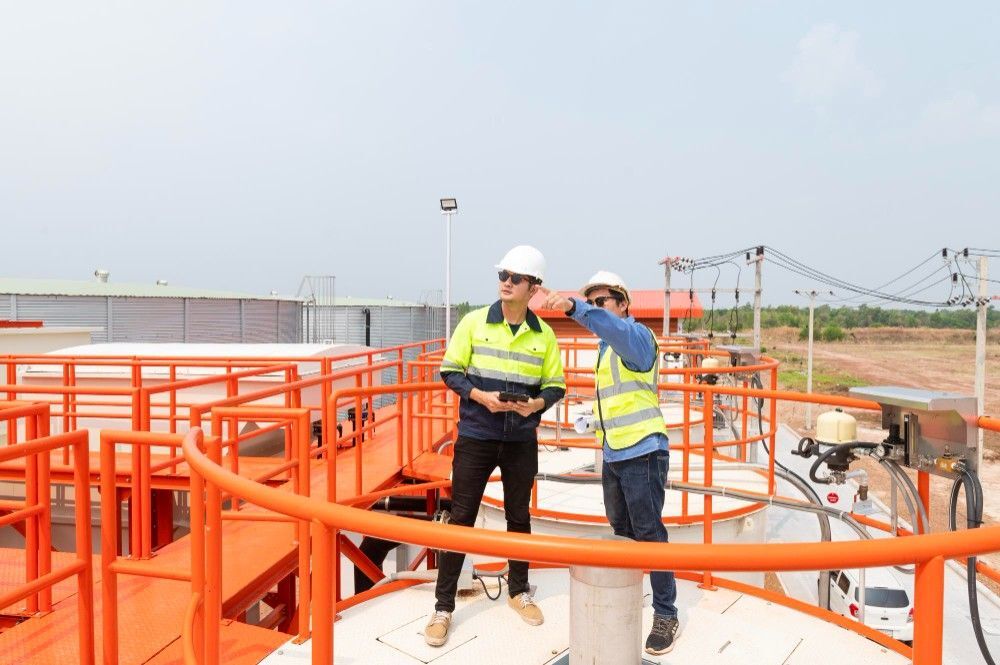
Simply put, asset management involves acquiring, operating, maintaining, and optimizing physical assets throughout their lifecycles to maximize performance, reduce risk, and deliver long-term business value. The strategies used span a wide range, from AI-driven maintenance and workforce evolution to sustainability-focused asset strategies and fully integrated digital ecosystems. Whether you manage manufacturing plants, healthcare facilities, utilities, or transportation networks, these emerging trends set the stage for how competitive, compliant, and profitable your asset management program will be in the years ahead.
As we move deeper into a digital-first, sustainability-driven industrial economy, asset management has become more than just keeping equipment running. Instead, it’s become a strategic discipline that directly influences profitability, resilience, regulatory compliance, and long-term business value. In 2026, organizations that limit asset management to a back-office maintenance function will struggle to compete with those that use asset intelligence to drive every operational decision.
The challenges facing manufacturers, utilities, healthcare systems, and infrastructure operators include unprecedented pressures, including aging assets, shrinking skilled workforces, rising energy costs, climate-driven regulations, and increasingly complex supply chains, all converging. In this environment, asset management leaders are to move beyond simply reducing downtime. Instead, they are challenged to do more, such as optimizing asset lifecycles, improving capital planning, and demonstrating measurable sustainability outcomes. Let’s now delve into these tools and the role each plays in optimizing asset management.
The Rise of AI Will Become a Core Asset Management Capability
AI is Becoming the New Norm in Asset Management
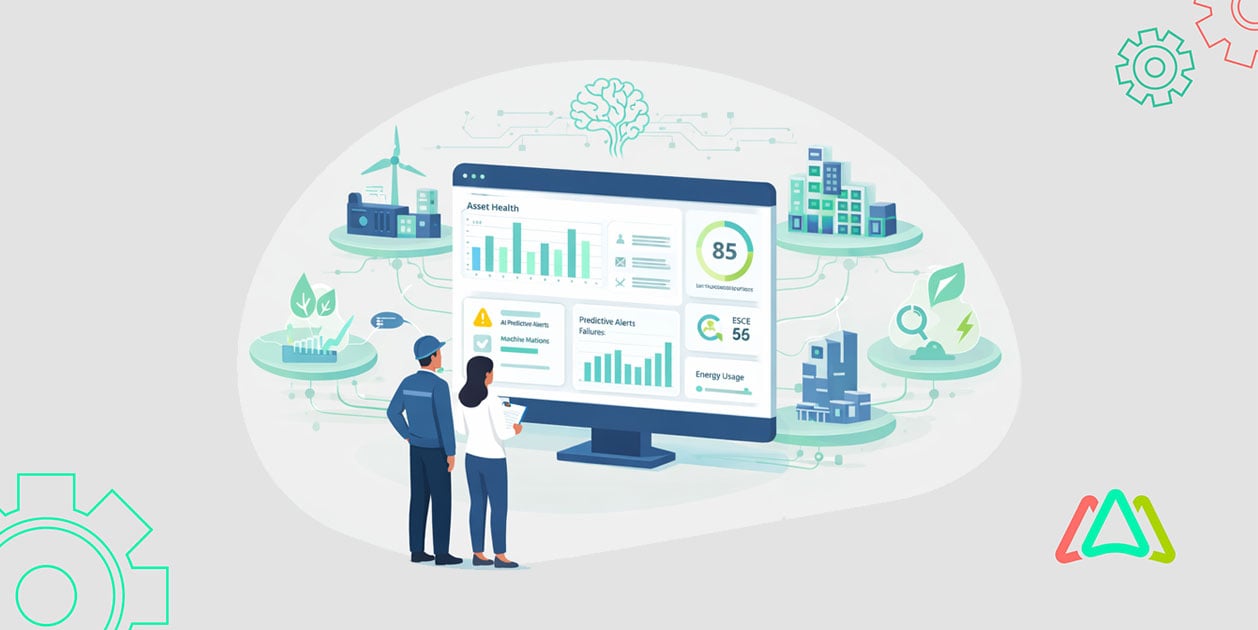
By 2026, artificial intelligence will no longer be viewed as an interesting add-on. Instead, it predicted that AI will be embedded into nearly every modern asset management platform. AI-powered systems can continuously analyze equipment data, maintenance histories, operating conditions, and failure patterns to deliver real-time insights that teams cannot do at the same scale. Instead of relying on static maintenance schedules or reactive repairs, organizations will use AI to prioritize work orders, optimize spare parts inventory, and automatically adjust maintenance strategies as asset conditions change.
Predictive and Prescriptive Analytics Transform Decision-Making
The next evolution of asset management takes predicting failures to prescribing the best course of action to resolve them. Predictive analytics can identify which assets are most likely to fail and when, while prescriptive analytics can recommend exactly what maintenance should be performed, by whom, and at what cost. The result is that asset managers will be able to balance risk, cost, and performance in real time, leading to extended asset life, less downtime, fewer labor hours, and fewer unnecessary part replacements.
Closing the Skills Gap Through Intelligent Systems
A growing skills shortage is a significant challenge for many organizations as experienced technicians retire. Advanced asset management platforms can help preserve institutional knowledge by capturing expert workflows, maintenance procedures, and troubleshooting logic inside digital systems. The result is that new workers are brought up to speed using mobile apps, augmented reality, and AI-based recommendations that reduce errors and shorten training cycles, ensuring critical assets remain properly maintained.
Data-Driven Work Cultures Take Hold
Finally, in 2026, asset-intensive organizations will make the shift from intuition-based maintenance to data-driven operations. Field technicians, supervisors, and reliability engineers will all be working from the same real-time asset management dashboards, eliminating guesswork and miscommunication. By implementing this approach, it will improve accountability, speed decision-making, and help teams prioritize work that delivers the most significant operational and financial impact.
Sustainability and ESG Will Become Core Asset Management Drivers

ESG Metrics Embedded in Asset Management Systems
In 2026, environmental, social, and governance requirements will increasingly be built directly into asset management workflows. The result is that organizations will be able to track energy use, emissions, and asset efficiency alongside traditional maintenance metrics such as uptime and mean time between failures. This capability allows leaders to link maintenance decisions directly to sustainability targets and regulatory reporting, making compliance and environmental responsibility part of everyday operations.
Energy Efficiency and Carbon Reduction Through Better Asset Data
Smart asset monitoring will enable companies to identify inefficient equipment, energy leaks, and excessive wear that drives higher emissions. By using AI-powered asset management tools to optimize maintenance and replacement timing, organizations can reduce fuel consumption, electricity use, and material waste while extending the life of critical assets. Sustainability will no longer rely on estimates; precise, real-time asset performance data will drive it.
Lifecycle-Based Sustainability Planning
In 2026, sustainability will be measured across the entire asset lifecycle, not just during daily operations. Asset management platforms will help organizations evaluate the environmental impact of equipment from procurement through decommissioning, enabling smarter decisions about refurbishment, reuse, and recycling. This lifecycle visibility supports circular economy strategies while lowering the total cost of ownership and reducing environmental risk.
Integrated Digital Ecosystems for Enterprise Asset Intelligence
Asset Management Breaks Out of the Maintenance Silo
Modern asset management systems are increasingly integrated with finance, procurement, supply chain, and production platforms. In 2026, asset data will flow across the enterprise, enabling leaders to see how maintenance decisions affect budgets, production schedules, and customer service. An integration of this type transforms asset management into a strategic business function rather than a standalone technical department.
Real-Time Data Drives Smarter Business Decisions
When asset performance data is connected to enterprise systems, organizations will gain unprecedented visibility into operational risk and opportunity. Asset management dashboards will be used to model capital investments, predict future maintenance costs, and plan production capacity based on asset health data. The result is a data-driven approach that reduces financial surprises and supports more accurate long-term planning.
Enterprise-Wide Optimization Through Asset Intelligence
In 2026, organizations will optimize not just individual machines, but their entire asset portfolios. With advanced asset management platforms, production demands, maintenance schedules, and capital investments can be managed across multiple sites and regions. Having this holistic view improves reliability, reduces operating costs, and ensures assets align with the overall business strategy.
The Broader Asset Management Trends Shaping 2026
Rapid Growth in Digital Asset Management Technologies
The global shift toward smart factories, renewable energy, and connected infrastructure is a strong driver of growth in asset management technology. For example, more organizations are investing in cloud-based EAM, AI-driven maintenance, and real-time monitoring tools to remain competitive in complex operating environments.
Industry Consolidation and Platform Expansion
As demand for advanced asset intelligence grows, software vendors are expanding their platforms through mergers, acquisitions, and new integrations. This means asset management solutions in 2026 will offer broader functionality, encompassing many of the features we just explored, and will be available within unified digital ecosystems.
Innovation Across Physical and Digital Assets
In 2026, asset management will also expand to include a range of new asset types, such as renewable energy systems, smart buildings, and digitally connected infrastructure. As these assets generate increased volumes of data, organizations will rely on advanced asset management tools previously described to interpret performance, manage risk, and ensure long-term value.
The 2026 Roadmap to Optimal Asset Management
Putting what we just learned into action requires time, energy, and resources. Below is a roadmap describing how organizations can successfully make this transition.
Achieving optimal asset management begins with establishing complete visibility and trust in asset data. Organizations must first build a reliable foundation by creating a single, accurate system of record for every asset across all locations. This includes standardizing asset naming conventions, hierarchies, maintenance histories, and failure codes while eliminating duplicate or obsolete records. Clean, structured data is essential to avoid unreliable results that will undermine the integrity of even the most technologically advanced systems. For this reason, this is the first and most critical step in any modernization effort.
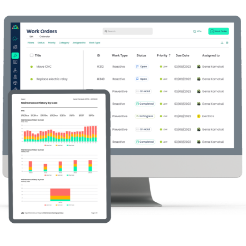
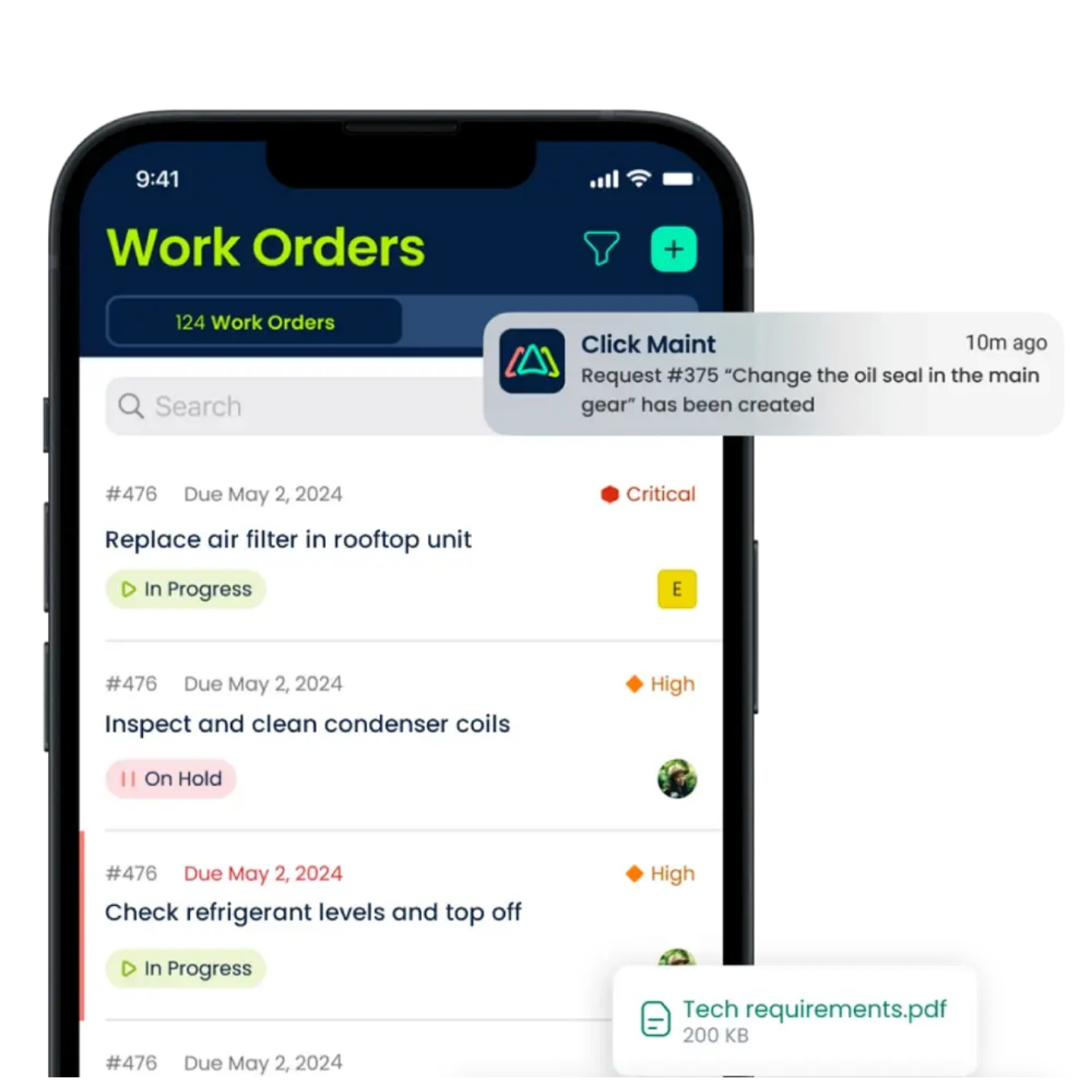
Once asset data is verified for reliability, organizations must fully digitize maintenance and asset workflows. Modern asset management requires replacing paper-based processes, spreadsheets, and disconnected systems with a centralized CMMS or EAM platform that supports real-time updates from the field. Mobile work orders, automated inventory tracking, and integrated purchasing workflows ensure that asset conditions, labor, and spare parts are always visible. Adding IoT sensors to critical equipment further enhances the environment by providing continuous condition data to support smarter maintenance decisions.
A CMMS (Computerized Maintenance Management System) helps organizations plan, track, and optimize day-to-day maintenance activities, including work orders, preventive maintenance, and maintenance history. An EAM (Enterprise Asset Management) system includes CMMS capabilities and extends to manage the full asset lifecycle, from acquisition to disposal, often across multiple sites and departments. CMMS solutions are commonly used by maintenance teams across manufacturing, facilities management, education, and healthcare, while EAM platforms are typically adopted by larger, asset-intensive organizations such as utilities, transportation, and energy companies. Both systems help improve asset reliability, reduce downtime, and increase operational efficiency.
To learn more about the differences between CMMS and EAM, read this article.
With digital workflows in place, organizations can move on to introduce predictive and AI-driven intelligence into their asset management strategy. Advanced analytics allow teams to anticipate breakdowns before they occur and determine the most cost-effective response. Digital twins further enhance this capability by enabling asset managers to simulate performance and maintenance scenarios in a virtual environment before executing them in the real world.
The next step is to integrate supportive tools, such as mobility features, guided diagnostics, and automated recommendations, to reduce errors and accelerate problem resolution. In addition, these capabilities enable organizations to capture expert knowledge within digital systems, ensuring that decades of experience are not lost as older workers retire. They also allow maintenance teams to shift from manual coordination to strategic oversight by using real-time data to optimize asset performance across entire facilities and fleets.
Moving on, sustainability and ESG objectives then become embedded directly into asset management operations. Rather than treating environmental performance as a separate reporting exercise, organizations can use asset data to track energy consumption, emissions, and equipment efficiency in real time. The result is that maintenance strategies can be aligned with carbon-reduction goals, and lifecycle analytics guide decisions on repair, refurbishment, or replacement. For organizations, this means extended asset life, reduced waste, and the ability to meet regulatory and investor expectations while lowering the total cost of ownership.
A final step in this process enables asset management to expand into an enterprise-wide intelligence platform. Integrated with ERP, finance, supply chain, and production systems, asset data becomes a driving force for capital planning, budget forecasting, and risk management. Maintenance managers can model future asset performance, identify bottlenecks before they affect operations, and prioritize investments that deliver the most significant long-term value. The result is that organizations that embed asset management into strategic decision-making will operate with greater agility, resilience, and profitability than those that continue to treat it as a standalone maintenance function.
Conclusion
In 2026, asset management will continue to evolve beyond being a mere support function into a powerful competitive function. Thriving organizations will be those that do more than just maintain their equipment; instead, they will use asset intelligence to inform every significant business decision. Features such as AI-powered maintenance, real-time asset visibility, integrated digital ecosystems, and sustainability-driven lifecycle planning will separate high-performing enterprises from those stuck in reactive operations.
While many of the asset management trends shaping 2026 are driven by the needs of large, asset-intensive enterprises, the underlying principles apply broadly across organizations of all sizes. Smaller teams may not require enterprise-scale systems or advanced AI immediately, but adopting foundational practices such as standardized asset data, digital work orders, and preventive maintenance can still create significant value. By scaling these strategies to fit their operational complexity, smaller organizations can modernize at their own pace while avoiding the inefficiencies of reactive maintenance. Ultimately, asset management maturity is less about size and more about using the right tools and data to make better decisions.
TABLE OF CONTENTS