Reena Sommer | 27 Jan 2026


Facility maintenance, much like running a business, defies one-size-fits-all solutions. The complexity of modern facility teams and the need to adapt to fluid operating conditions make simple, shortcut approaches impossible. Today's facilities are larger, assets are increasingly interconnected, compliance standards are stricter, and the demand for maximum uptime is higher than ever.
While Computerized Maintenance Management Systems (CMMS ) have traditionally been vital for managing work orders and asset data, the focus is evolving. Simply overseeing maintenance operations with software is no longer sufficient; organizations now require more comprehensive solutions.
Given what’s at stake, maintenance management software vendors offer a range of features and options for maintenance managers and company directors to choose from. However, beyond the bells and whistles, there is a new focus on how the software is actually designed. The reason is quite straightforward: a CMMS’s design plays a critical role in how effectively it supports real-world operations.

This article explores the use of visual maps and interactive floor plans, which are among CMMS’s most valuable design advancements in modern software platform development. We’ll examine how these tools move maintenance management beyond text-heavy records and static lists, enabling teams to understand assets in their physical context. Finally, we’ll learn how these tools produce measurable operational and financial impact for maintenance managers focused on execution and facility directors responsible for strategic oversight.
Why CMMS Software Design is No Longer Just a Usability Issue
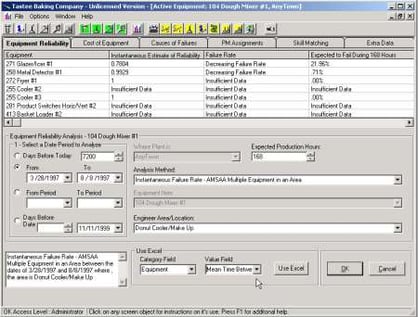
Historically, CMMS Software was developed almost exclusively for recordkeeping. Assets found their home in tables, dropdowns represented their locations, and technicians were expected to translate digital data into physical action. In small facilities, this approach was manageable. However, in large, multi-building environments, this rudimentary approach led to confusion, inefficiency, and delays.
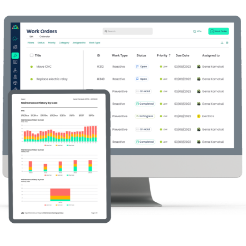
Modern CMMS software design addresses this gap by prioritizing how users consume information, rather than just how it is stored. Good design reduces users’ cognitive load, shortens decision cycles, and improves accuracy. When maintenance teams can immediately understand where an asset is, what it looks like, its condition, and what work is required, the CMMS becomes an operational asset rather than an administrative burden.
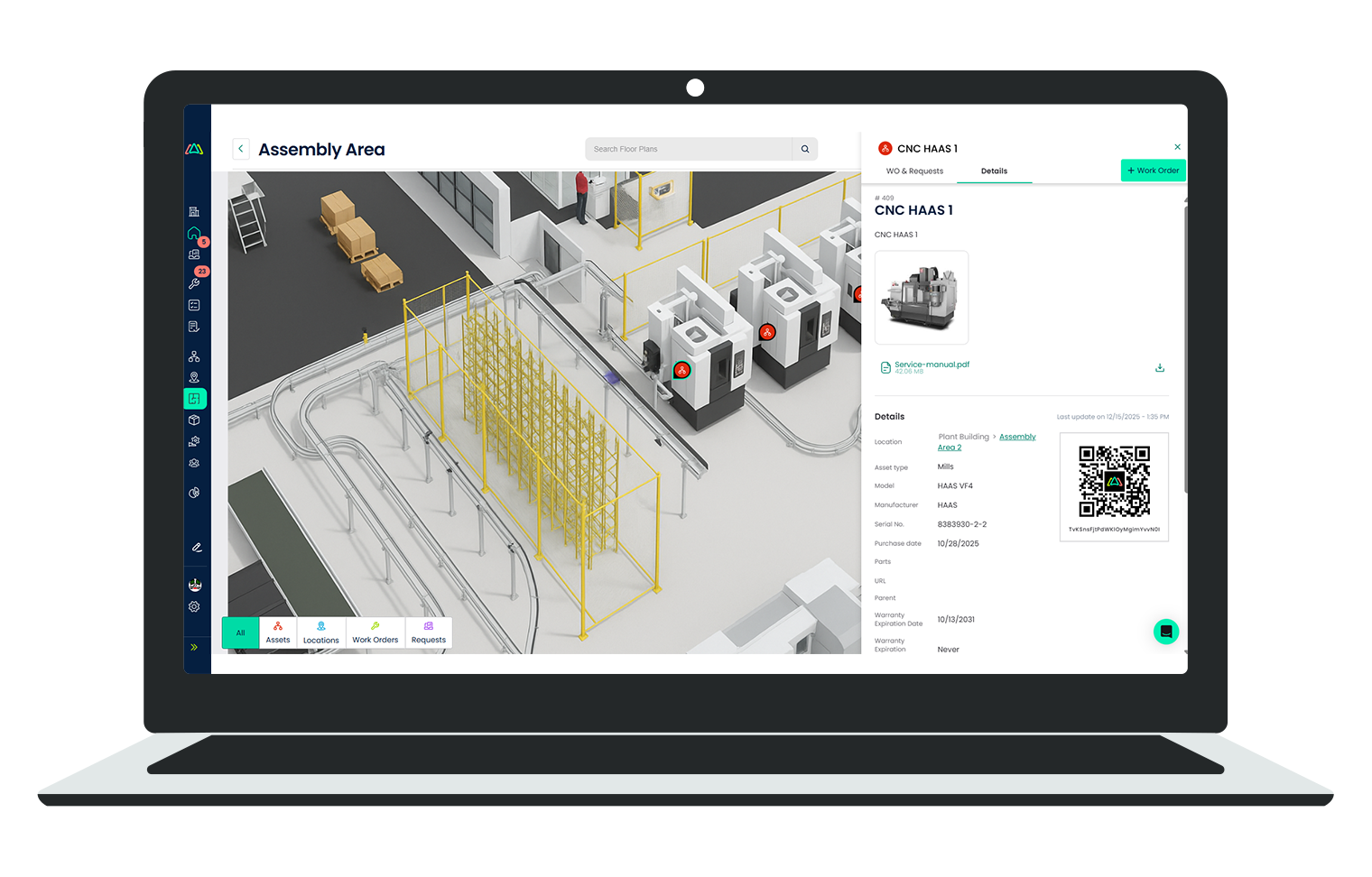
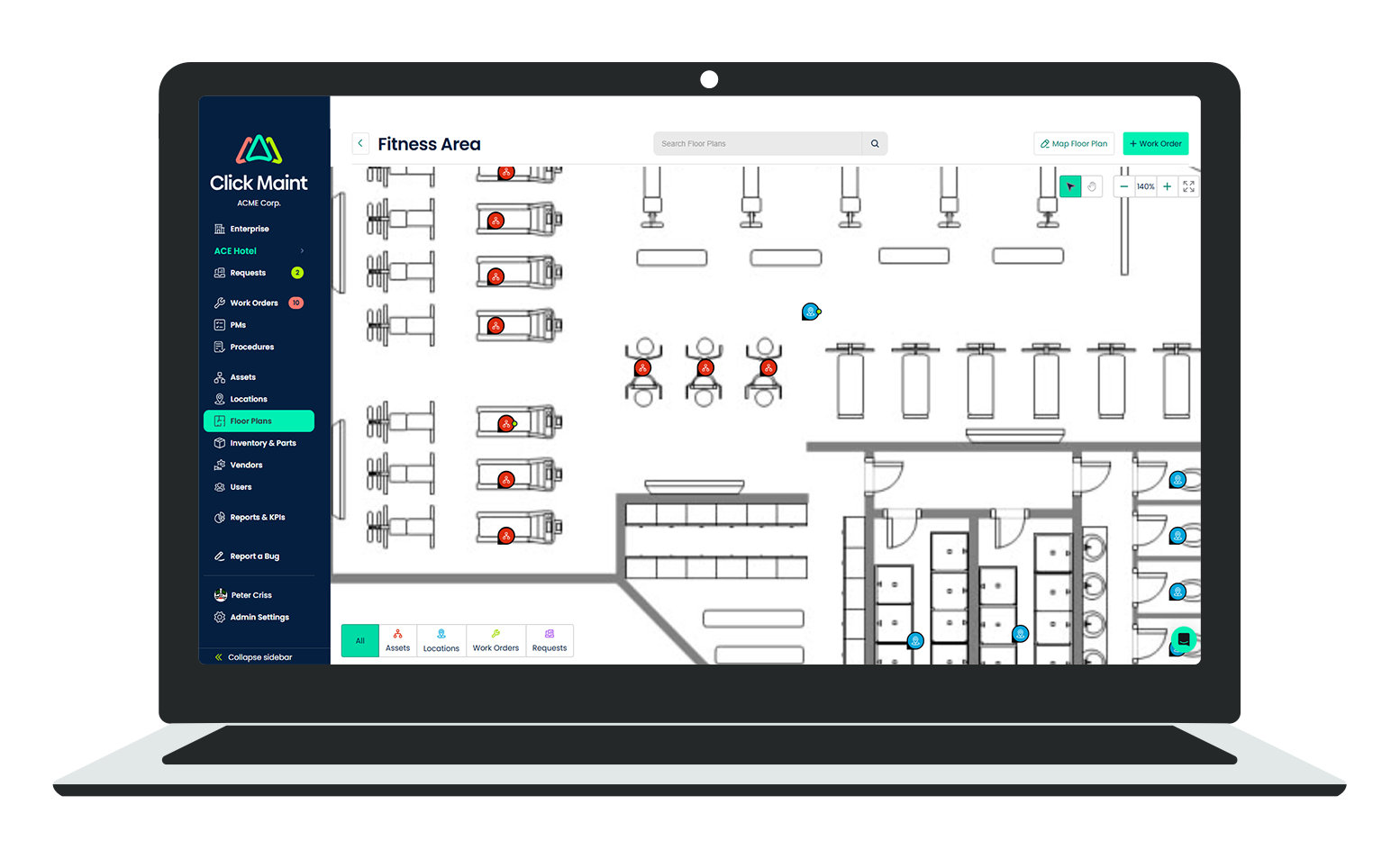
How Visuals Transform Maintenance Data Into Operational Insight
Maintenance data should be inherently spatial. Equipment failures occur in specific locations. Preventive tasks are tied to physical routes. Emergency responses depend on an asset’s proximity and access. When CMMS platforms are textually based, users must mentally reconstruct spatial context, which slows response times and increases the risk of errors.
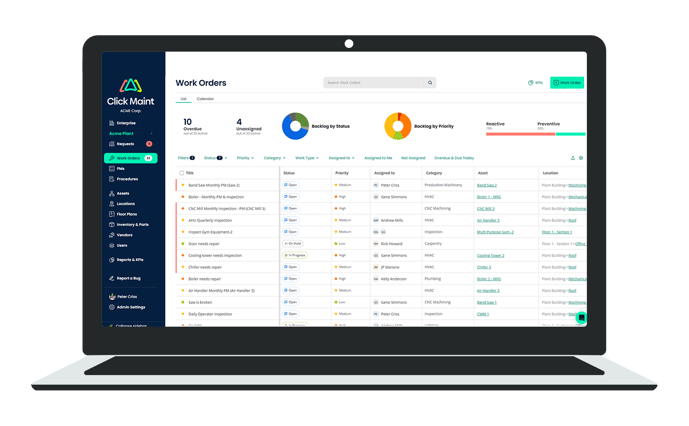
Visuals eliminate that translation step. Status indicators, color coding, icons, and visual dashboards allow users to interpret conditions instantly. A maintenance manager can immediately see which areas of a facility are experiencing repeated issues. A facility director can recognize asset density, risk concentration, or deferred maintenance trends without parsing reports.
This kind of added visual clarity supports faster prioritization and more confident decision-making. Instead of reacting to individual work orders in isolation, teams can understand patterns and root causes as they emerge more quickly and accurately.
The Strategic Value of Floorplans in CMMS Software Design
CMMSs offering floorplans elevate visuals from informative to actionable. When integrated directly into the system, floorplans become interactive maintenance maps rather than static reference documents. Assets are pinned to exact locations, work orders are linked spatially with specificity, allowing technicians to navigate facilities digitally before stepping onto the floor.
For maintenance managers, this limits wasted time searching for equipment, verifying asset identity, or clarifying vague location descriptions. Technicians can arrive prepared, knowing exactly where to go and what to expect. Over time, access to digital floor plans translates into faster response times, higher first-time fix rates, and reduced downtime.
(check out the top cmms software list)
Facility directors gain a different but equally important benefit. Floorplans provide a clear, visual understanding of how infrastructure is distributed across buildings and campuses. This perspective supports long-term planning, space utilization analysis, and informed capital investment decisions.
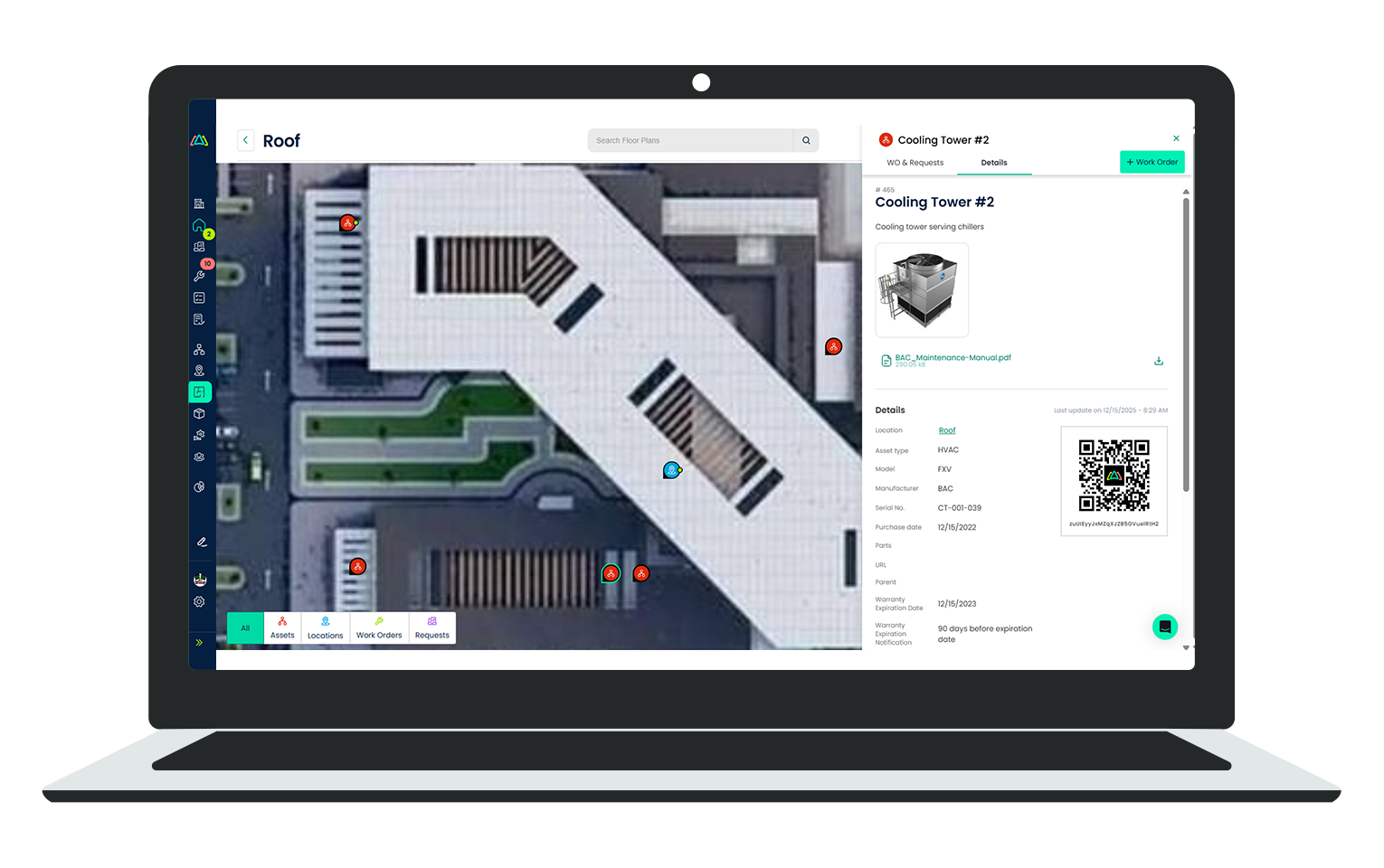
Improving Accuracy and Efficiency Through Spatial Context
In many facilities, assets of the same type come in multiple quantities, sometimes in the hundreds. In this situation, it can be confusing and time-consuming when technicians attempt to determine which exact asset needs attention. In other words, without visual confirmation, it is easy for work to be logged against the wrong asset or completed in the wrong location. A floorplan-based CMMS design significantly reduces these errors by anchoring maintenance activity to physical reality.
When a work order is created directly from a floor plan, location data is automatically accurate. There is no ambiguity about which unit requires attention or where it is located. This type of precision is particularly valuable in healthcare, education, manufacturing, and large commercial environments, where similar rooms or systems may span multiple floors or wings.
The result is not just efficiency, but a much-needed trust in the data itself. Accurate data feeds better reporting, more reliable analytics, and stronger executive confidence in maintenance metrics.
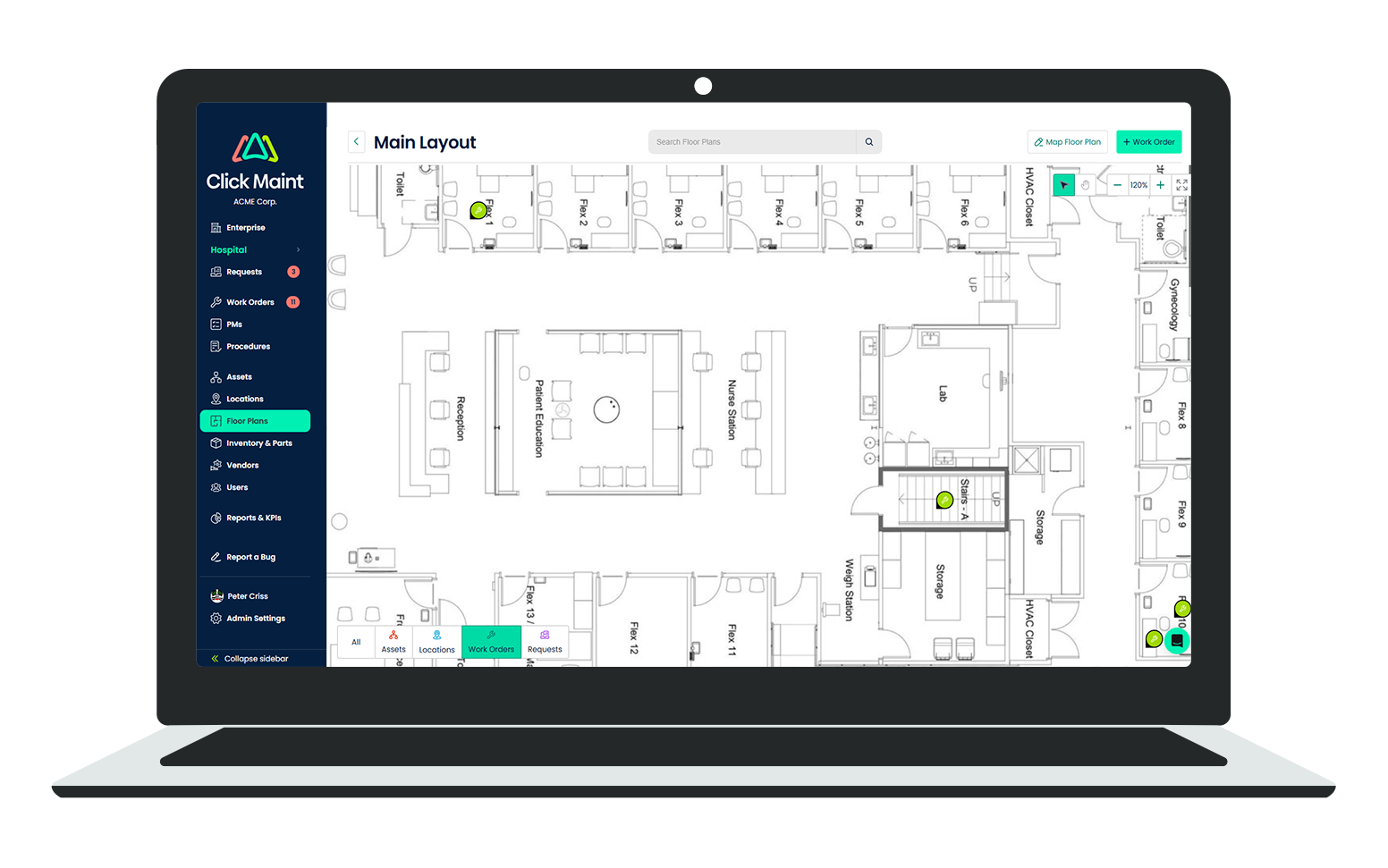
Organizing Complex Facilities Without Visual Overload
A concern often raised about visual CMMS interfaces is the risk of clutter that can result. Effective CMMS software design addresses this through layered views, filters, and role-based options. Users can isolate asset categories, focus on specific systems, or zoom in from a campus-wide view down to individual rooms.
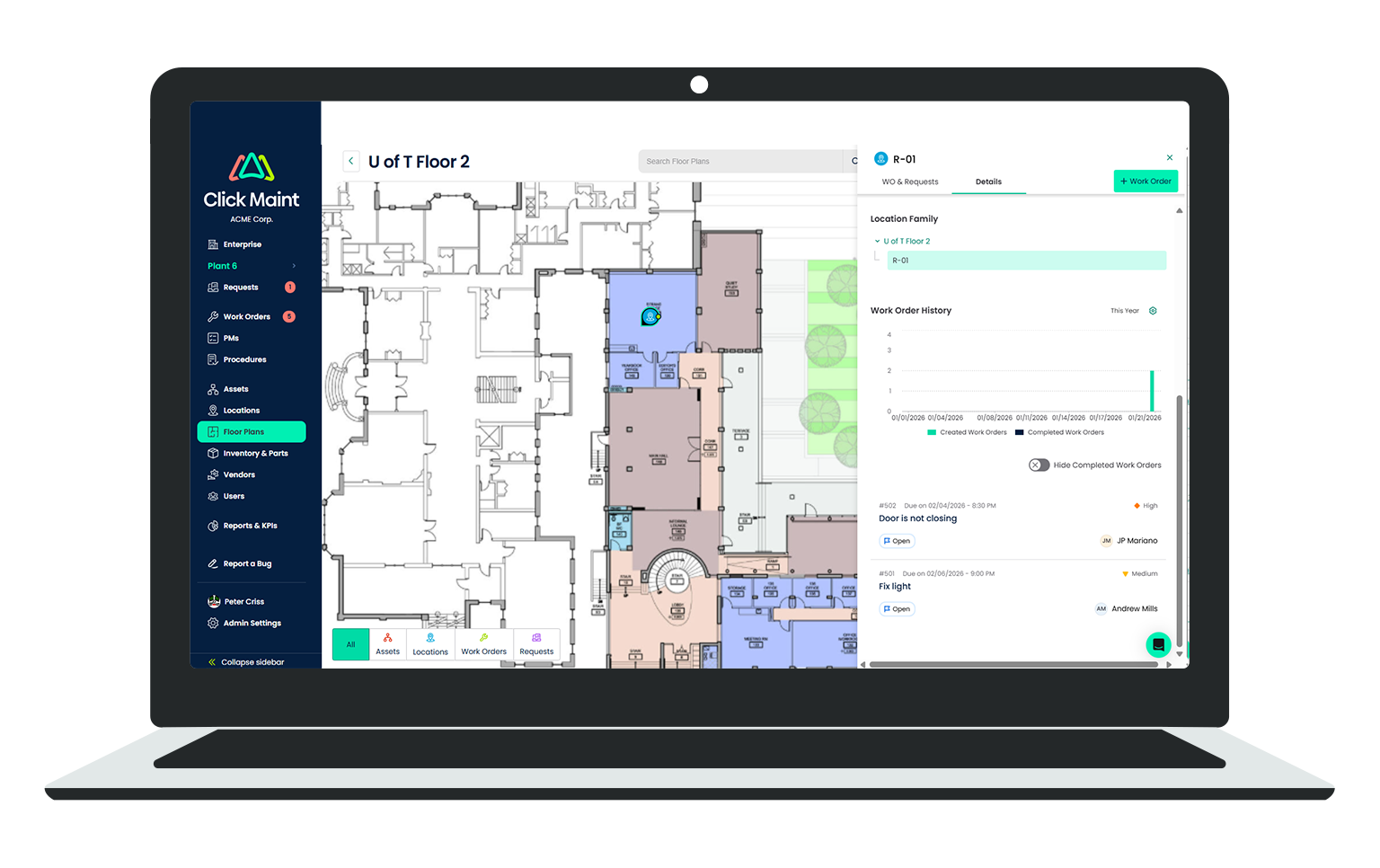
This type of flexibility ensures that digital visuals remain helpful rather than overwhelming. Maintenance managers can focus on operational priorities, while facility directors can step back and view broader trends. Compliance teams can isolate regulated assets without navigating irrelevant information.
The bottom line is that the system adapts to the user, not the other way around.
Operational Gains That Extend Beyond the Maintenance Team
Visual CMMS design improves more than just maintenance workflows. It strengthens collaboration across departments by creating a shared understanding of facility conditions. When stakeholders can see issues rather than interpret textual descriptions, conversations become clearer and more productive, and decisions move faster.
Work order creation becomes simpler and more accurate when requests are tied to visual locations. Communication between dispatchers and technicians improves when both parties share the same reference point: a visual context. Over time, these incremental efficiencies compound into measurable reductions in downtime and labor waste.
Training and onboarding also benefit significantly. New technicians can familiarize themselves with facility layouts far more quickly using visual tools rather than textual ones. This reduces new team member ramp-up time and dependence on informal knowledge transfer.

Visual CMMS Design as a Strategic Tool for Facility Directors
For facility directors, the value of visual CMMS design extends well beyond daily operations. For them, floor plans and visual dashboards provide insight into asset lifecycles, maintenance hotspots, and infrastructure risks. This visibility supports proactive capital planning and more defensible budget requests.
When asset condition, age, and maintenance history are visible in spatial context, it provides a digital bird’s-eye view of equipment health. Having access to this type of visual makes it easier to justify replacements, renovations, or system upgrades. The benefit is that visual evidence resonates more strongly with executive leadership than abstract metrics alone.
Compliance and safety planning also improve with visuals. Life-safety systems, inspection schedules, and emergency equipment are easier to track and audit when their locations are clearly mapped within the CMMS. In critical situations, quick access to this information can make a meaningful difference.
Designing for Adoption: What Makes Visual CMMS Successful
The success of visual CMMS features depends on thoughtful implementation. More specifically, Interfaces must be intuitive, responsive, and aligned with real workflows. The goal is for visual tools to simplify work, not introduce unnecessary complexity.
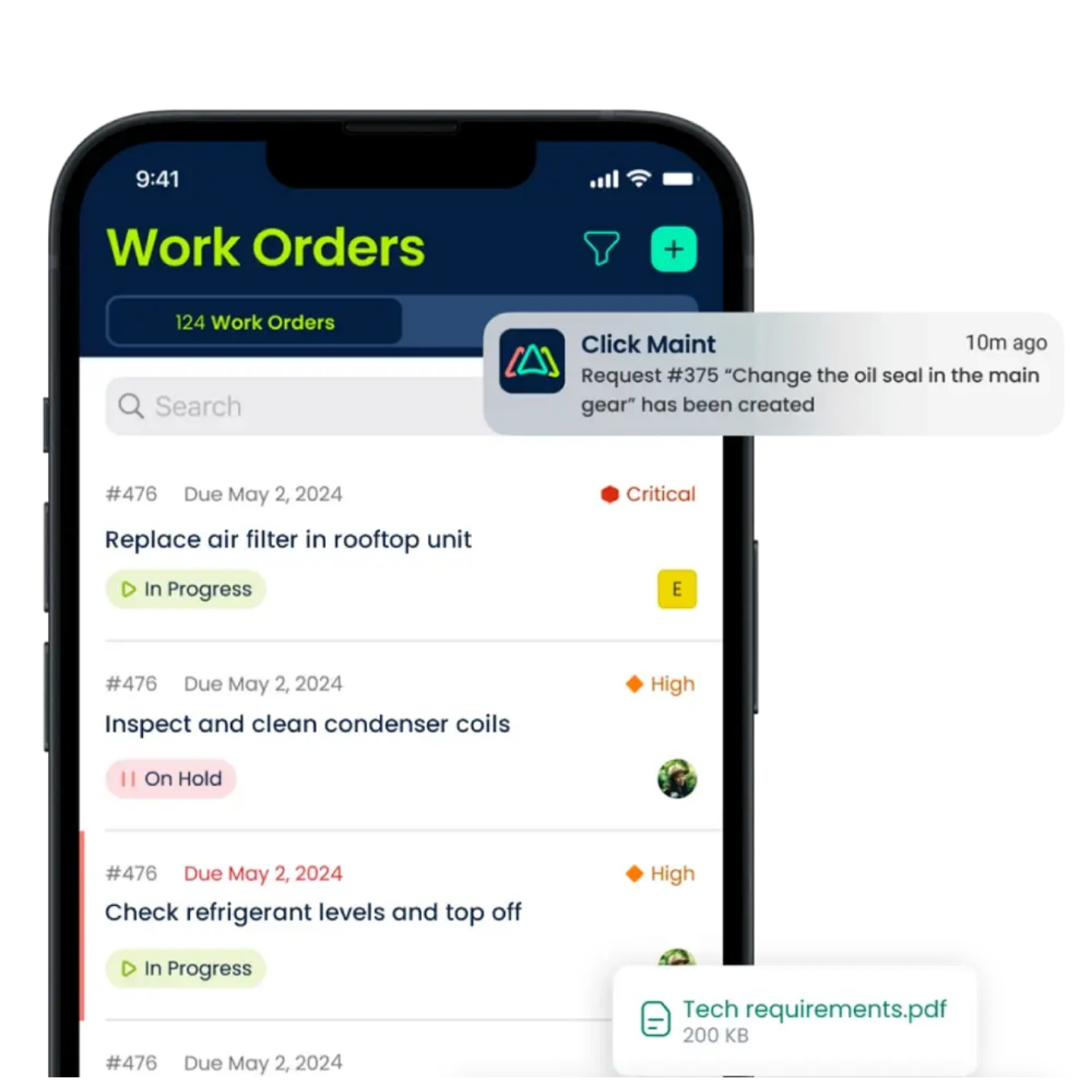
Mobile accessibility is especially important with visuals. Technicians rely on tablets and smartphones in the field, and visual tools must function seamlessly on those devices. When floor plans and asset visuals are available at the point of work, adoption and routine use follow naturally.
Equally important is data quality. Visual systems are only as reliable as the asset and location data behind them. To meet this end, many organizations find value in cleaning and standardizing data before rolling out advanced visual features, ensuring long-term accuracy and trust.
Looking Ahead: The Future of CMMS Software Design
As facilities continue to evolve, so will CMMS platforms. Visuals will increasingly incorporate real-time data, sensor inputs, and predictive analytics. It is expected that floorplans will become dynamic, reflecting live asset conditions and usage patterns.
What is already clear is that visual-first CMMS software design is no longer optional. It is foundational to efficient maintenance operations and strategic facility management. Organizations that embrace these tools are well-positioned to respond faster, plan smarter, and operate with greater confidence.
Conclusion
Modern Computerized Maintenance Management System (CMMS) platforms have evolved beyond mere data repositories; their true value is now measured by their ability to translate complex information into actionable, real-world utility. This shift in evaluation emphasizes effective design and user experience over a simple tally of features. Central to this new standard is the integration of powerful visual tools, such as dynamic floor plans and interactive diagrams, which bridge the gap between digital management systems and the physical reality of a facility.
These visuals are not just aesthetic additions; they are fundamental operational instruments. By overlaying maintenance data, like work order locations, asset status, and historical repair logs, onto intuitive facility maps, organizations can transform raw metrics into immediate, spatial insights. For maintenance managers, this means instantly identifying hotspots of recurring issues, visualizing the geographical spread of active work orders, and optimizing technician routes. For facility directors, it translates into a clearer understanding of asset performance relative to physical layout, enabling superior strategic planning and capital expenditure decisions. This visual context drastically reduces the cognitive friction associated with navigating complex digital systems, making it faster and easier for staff to locate assets, diagnose problems, and initiate corrective action.
As the operational environment grows more demanding, characterized by increased regulatory scrutiny, pressure for continuous uptime, and the proliferation of sophisticated equipment, the complexity of facilities naturally increases. Meeting these rising demands requires a proactive approach to technology adoption. Investing in a robust CMMS software design that places visuals and floor plans at its operational and technical core is no longer a luxury but a strategic imperative. These integrated tools provide a seamless, intuitive interface that significantly enhances situational awareness for all stakeholders. They serve as the most practical and high-impact step an organization can take to improve operational performance, bolster asset reliability, and ensure the long-term protection and growth of asset value. A visually driven CMMS empowers decision-makers with context-rich, spatial data, leading to faster, more informed decisions that directly impact the bottom line.
TABLE OF CONTENTS