Reena Sommer | 9 Jun 2026


In general, the purpose of insuring any asset, whether a home, building, business, or person, is to guard against the financial risk of loss, theft, or damage caused by an individual or organization. It is also true that this kind of financial safety net comes with a cost in the form of premiums, which, depending on the circumstance, can be very steep.
For most organizations, insurance is viewed as a necessary, often non-negotiable expense. In other words, it is considered a fixed cost of doing business. The other truth is that insurance premiums vary across companies because they are heavily influenced by risk. The safer and more reliable your operation appears to an insurer, the more favorable your rates may become. That is where preventive maintenance software insurance strategies can create real value.
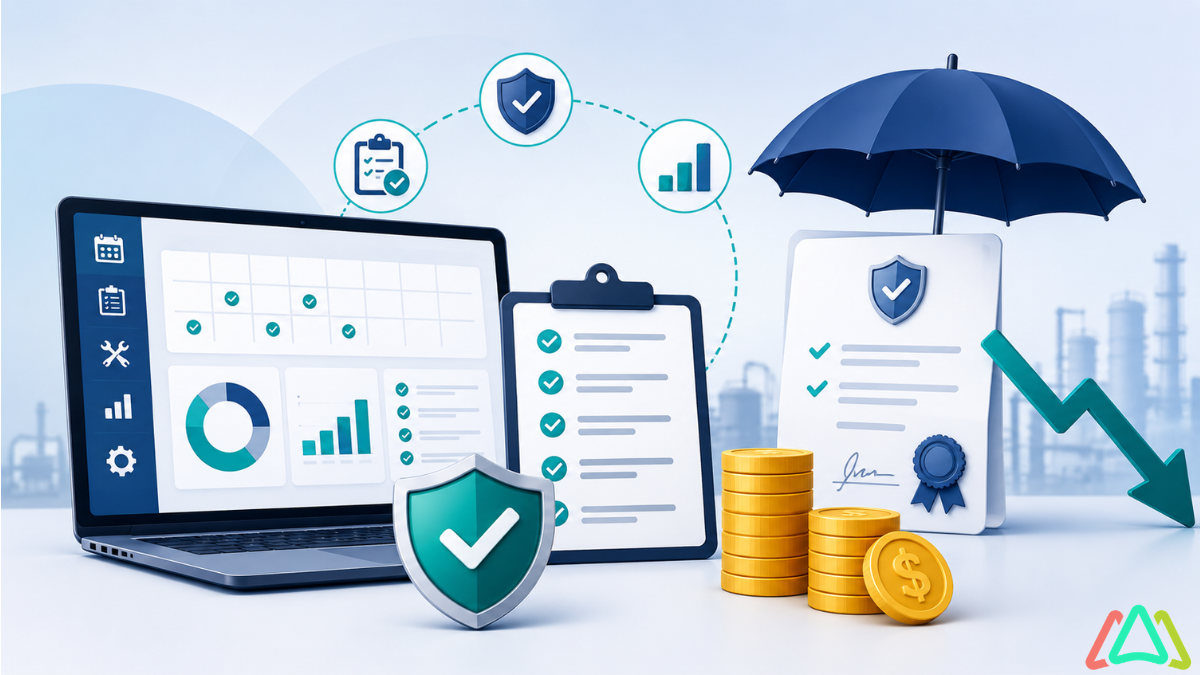
When businesses use preventive maintenance software to document inspections, complete scheduled tasks, and reduce asset failures, they provide insurers with measurable proof of risk reduction. That data can support underwriting reviews, improve claims outcomes, and lower insurance costs over time.
Why Insurance Is a Major Cost to Operations
Insurance often represents one of the largest indirect expenses in a business budget. Depending on the industry or operation, companies may carry multiple forms of coverage, including property insurance, equipment breakdown insurance, general liability, business interruption, fleet coverage, and workers’ compensation.
These costs continue to rise due to several factors, such as:
-
Increased replacement costs for buildings and equipment
-
Higher litigation and liability exposure
-
More frequent weather-related claims
-
Workplace injury costs
-
Production downtime tied to equipment failures
For manufacturers, warehouses, healthcare facilities, property managers, and fleet operators, premiums can become a significant operational burden. What many organizations fail to recognize is that maintenance performance often influences the risk profile insurers evaluate, leading to unnecessarily higher premiums.
How Insurers Measure Risk
Insurance carriers do not determine premiums randomly. They do not pull them out of a hat. Instead, they assess the likelihood of future losses using a range of operational indicators, including:
-
Prior claims history
-
Frequency of equipment failures
-
Safety incidents and injuries
-
Condition of physical assets
-
Fire prevention systems
-
Regulatory compliance
-
Maintenance practices
-
Operational continuity risks
If a business cannot demonstrate strong maintenance controls, insurers may assume greater exposure. That translates into higher risk, which in turn leads to higher premiums, stricter deductibles, or reduced coverage flexibility.
How Better Data Reduces the Cost of Insurance
Although often not considered, one of the best and most expedient ways to improve your insurance position is through reliable operational data. Insurers prefer hard facts over assumptions or promises. If you can show that critical assets are regularly inspected, serviced, and repaired before failure, you present a lower-risk profile.
It is well known that detailed maintenance data can support fewer preventable claims, better underwriting decisions, reduced breakdown exposure, improved workplace safety, stronger renewal negotiations, and faster claims resolution.
In contrast, companies that rely solely on spreadsheets, paper logs, or incomplete records often struggle to demonstrate compliance. In this instance, missing documentation can weaken your position during audits, renewals, or claim investigations.
How Preventive Maintenance Software Supports Insurance Savings
Modern maintenance systems, such as Computerized Maintenance Management Systems (CMMS Software), help businesses move from reactive repair habits to documented risk prevention. This is where the benefits of preventive maintenance software insurance become clear. Let’s now explore this issue more fully.
Automated PM Scheduling
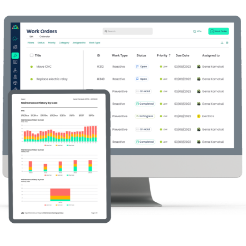
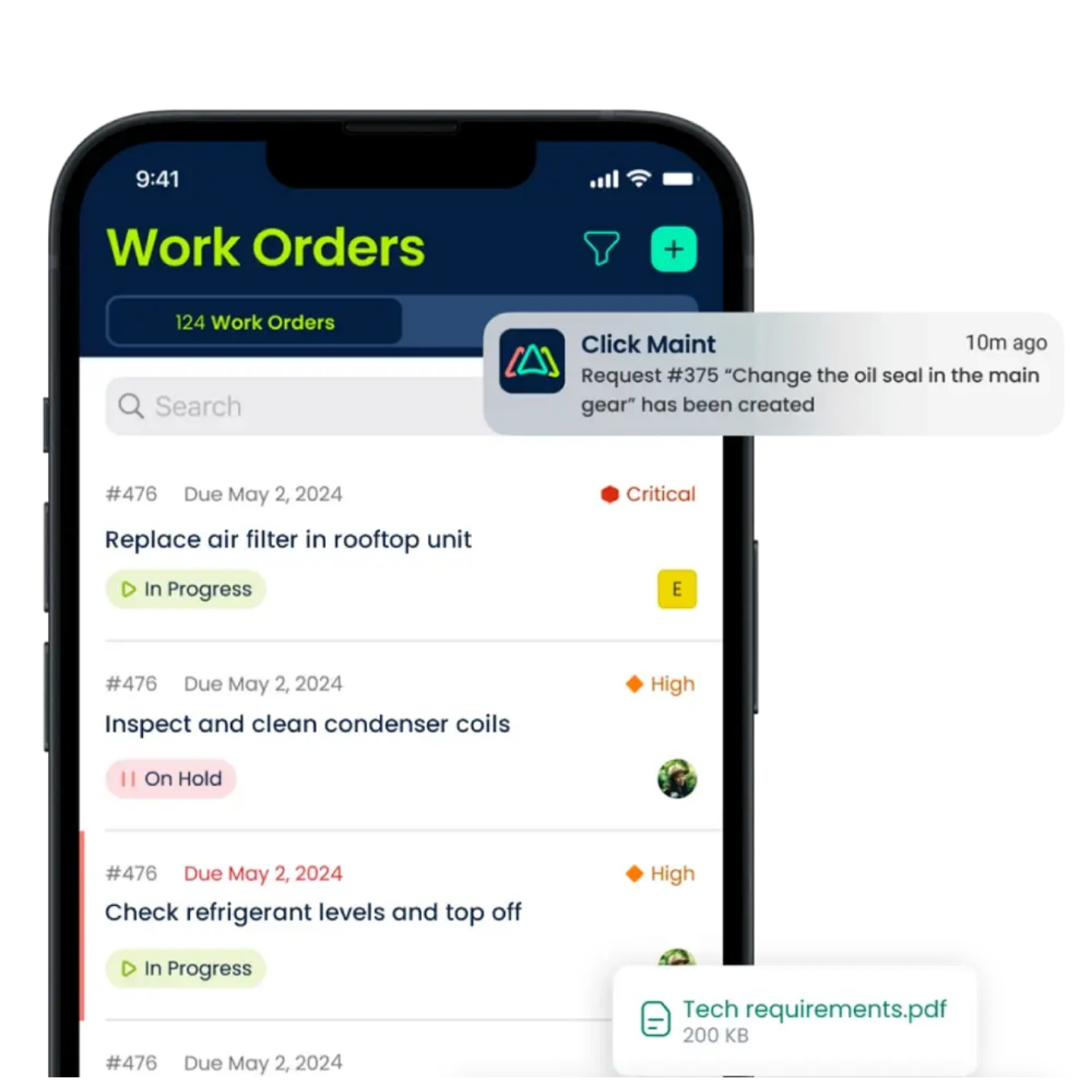
Preventive maintenance software automatically schedules recurring inspections, lubrication, testing, calibration, and service tasks. Instead of relying on memory or manual calendars, maintenance teams receive timely reminders and work orders about what needs to be done and when.
In simple terms, preventive maintenance software ensures there are no missed inspections, overdue safety checks, or deferred maintenance. It also plays an important role in reducing the number of unexpected equipment failures.
The bottom line is that a consistent maintenance program can make your operation more attractive to insurers while also improving its efficiency and profitability.
Digital Proof of Compliance
One of the greatest advantages of preventive maintenance software is the audit trail it creates. The audit trail is created by following every completed task and documenting the following information:
-
Date and time stamps
-
Technician names
-
Notes on asset condition
-
Photos
-
Parts replaced
-
Follow-up recommendations
This digital record, generated by the preventive maintenance software, serves as valuable evidence that the required maintenance was performed. If an incident occurs, your company can quickly produce documentation demonstrating responsible, timely asset management.
Lower Equipment Failure Risk
Most insurance claims related to operations stem from preventable failures. Examples of these types of failures include a neglected motor overheating, a boiler going offline, an HVAC system causing water damage, or a forklift with worn brakes causing an accident.
Preventive maintenance software helps identify equipment wear patterns early, so repairs occur before losses escalate. Having fewer failures can translate into fewer claims. These may translate into lower long-term insurance costs.
Faster Claims Resolution
When claims do occur, insurers often investigate whether equipment was properly maintained. If records are disorganized or unavailable, disputes can arise.
With maintenance software, businesses can immediately provide:
-
Full service history
- Inspection records
- Repair timelines
- Safety checks
-
Prior warnings and corrective actions
This can accelerate claim processing and reduce friction during investigations.
Insurance Types Influenced by Preventive Maintenance Software Insurance Strategies
Businesses typically carry several types of insurance policies. Many of them may benefit from strong maintenance documentation. Here are some examples:
Property Insurance
Having routine inspections of roofs, electrical systems, plumbing, fire suppression, and HVAC equipment is associated with a reduced risk of property damage claims.
Equipment Breakdown Coverage
Insurers recognize that serviced equipment is less likely to suffer catastrophic failure. Maintenance records may strengthen underwriting discussions.
General Liability Insurance
Unsafe premises and malfunctioning equipment can lead to injuries to customers or visitors. Preventive maintenance reduces those exposures and, therefore, lowers an organization’s insurance risk exposure.
Workers’ Compensation
Employees working around well-maintained machinery face a lower risk of injury. Safer workplaces often improve claims history over time. In turn, this is viewed positively by insurance companies.
Fleet Insurance
For transportation and service fleets, documented brake checks, tire rotations, fluid inspections, and engine servicing can reduce accident exposure. These factors heavily impact how insurers assess premiums.
What Insurers Want to See
If you hope to reduce your insurance premiums, insurers typically respond well to evidence that demonstrates:
-
High preventive maintenance completion rates
-
Few overdue critical tasks
-
Documented life-safety inspections
-
Reduced repeat failures
-
Standardized maintenance procedures
-
Asset replacement planning
- Strong housekeeping and risk controls
The bottom line is, the stronger and more compelling your records are, the easier it is to demonstrate disciplined operations.
How to Use Preventive Maintenance Software to Lower Premiums
Centralize Maintenance Records
The value of CMMSs, and in particular preventive maintenance software, lies in their ability to house and access all relevant maintenance data in a single system. This is vitally important when providing insurers with proof of your organization’s maintenance compliance and practices. The software takes over this task by eliminating scattered spreadsheets and paper binders, which are incapable of meaningfully consolidating the information within them.
Prioritize High-Risk Assets
Focus first on equipment most likely to create losses, such as:
-
Boilers
-
Electrical panels
-
HVAC systems
-
Refrigeration equipment
-
Forklifts
-
Production machinery
-
Fire suppression systems
Share Reports Before Renewal
Be prepared and be proactive when insurance renewal time approaches. Don’t wait for your insurer to ask the questions. Instead, offer up maintenance KPIs and compliance reports before renewal discussions begin.
Useful PM reports include the following:
-
PM completion percentage
-
Critical asset inspection compliance
-
Downtime reduction trends
-
Safety-related maintenance completion
-
Asset replacement plans
Coordinate Across Departments
Maintenance, safety, finance, and risk management teams need to collaborate. Insurance costs are not just a financial issue; they also reflect operational discipline.
Choosing the Right Software
If insurance cost reduction is a priority for your organization, it makes sense to choose a maintenance platform with features such as:
-
Automated PM scheduling
-
Mobile work orders
-
Asset history tracking
-
Document storage
-
Custom reporting dashboards
-
Photo attachments
-
Audit logs
- Multi-site support
The right system should make it easy to document and demonstrate compliance, not just assign work orders.
Conclusion
Insurance should never be treated as a fixed expense that is beyond your control. Many premium drivers are directly related to how well assets are maintained, how safely facilities operate, and how effectively risks are documented.
For these reasons, including preventive maintenance software should be part of an organization’s insurance strategy. By improving PM compliance and reducing failures, organizations transform maintenance into a measurable risk mitigation strategy that provides a powerful strategic advantage. This shift from subjective perception to objective proof is key. Leveraging this granular data allows businesses to present a compelling, evidence-based narrative that significantly strengthens their negotiating position with insurers at every renewal cycle. This strategic documentation creates safer, more reliable, and more profitable operations.
The result is a double win: lower operational risk and lower insurance costs.

TABLE OF CONTENTS