Reena Sommer | 13 Feb 2026


Whether it’s football, baseball, hockey, or basketball, sporting events are big business. To support this point, in 2024, the total economic impact of spectator sports in the US was $144.4 billion, with 660,000 employees. To make this happen, a lot goes into the effort. One crucial area is sports facilities themselves.
Sports facilities today are far more than just venues for watching games. They are complex, multi-use environments that host competitions, training sessions, community programs, concerts, and special events, sometimes all within the same week. Many cogs in the wheel must work synergistically and with little room for error or disruption. As expectations from athletes, teams, and fans continue to rise, facility operators are under increasing pressure to deliver seamless experiences while keeping costs under control and assets performing at their best.
This is where Sports Facilities Management Software has become a critical player. By centralizing scheduling, maintenance, staffing, and financial oversight, these platforms help sports organizations operate more efficiently and create conditions for growth. Just as importantly, they play a behind-the-scenes role in shaping fan enthusiasm by ensuring facilities are safe, accessible, well-maintained, and ready to deliver memorable experiences. Let’s explore the scope of sports facilities management software and how it supports a flawless spectator and participant experience.

What Is Sports Facilities Management Software?
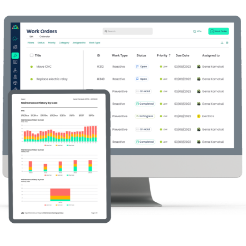
Sports Facilities Management Software is a specialized digital platform designed to support the operational needs of a range of sporting venues, including stadiums, arenas, athletic complexes, recreation centers, and training facilities. Rather than relying on disconnected spreadsheets, emails, and paper processes, facility teams use a single system to manage daily operations and long-term planning.
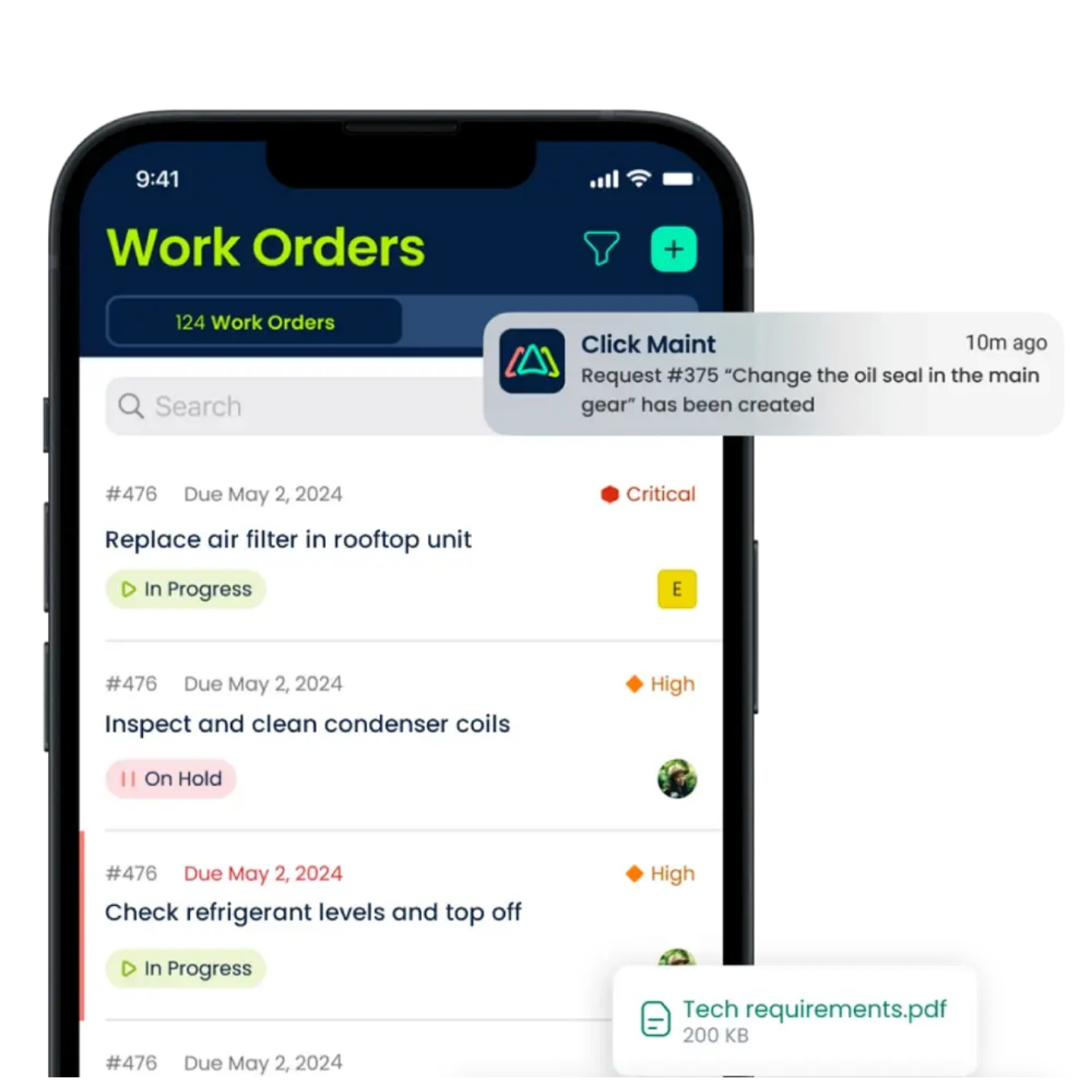
Core capabilities of the software typically include centralized scheduling, asset and maintenance management, staff coordination, financial tracking, and reporting. Many platforms also offer mobile access, allowing staff to receive updates, complete tasks, and communicate in real time from anywhere in the facility.
In short, Sports Facilities Management Software provides visibility and control. It allows operators to see what is happening across the facility at any given moment and to make informed decisions that support both operational efficiency and user satisfaction.
Streamlining Operations to Support Sports Growth
Behind every successful sports organization is an operation that runs smoothly, even under pressure. From coordinating schedules and maintaining assets to managing staff and preparing for peak event periods, operational efficiency directly influences a facility’s ability to grow. Sports Facilities Management Software provides the necessary structure and visibility to streamline daily activities, enabling organizations to support more events, serve more users, and scale operations without sacrificing quality or safety. Let’s explore this issue more deeply by examining some of the benefits of sport facilities management software.
Optimized Scheduling and Facility Utilization
One of the most immediate benefits of Sports Facilities Management Software is improved scheduling accuracy and facility utilization. Managing fields, courts, locker rooms, and event spaces manually often results in conflicts, underutilized time slots, and last-minute changes that frustrate users.
With centralized scheduling tools, facilities can clearly assign space for games, practices, tournaments, and special events while avoiding double bookings. Having this clarity lets organizations host more activities, attract new leagues or teams, and make better use of existing infrastructure. Over time, higher utilization directly supports sports participation and organizational growth without requiring costly expansions.
Proactive Maintenance and Asset Management
Considering the volume of people attending various sporting venues and the wear and tear that accompanies it, it’s not surprising that maintaining optimal facility condition is central to both safety and performance. Sports Facilities Management Software enables preventive maintenance by tracking assets such as turf, lighting, HVAC systems, scoreboards, and athletic equipment. Instead of reacting to breakdowns, teams can schedule inspections and maintenance tasks based on usage, condition, or manufacturer recommendations.
This proactive approach reduces downtime, extends asset life, and helps ensure facilities are consistently ready for competition. Reliable, well-maintained environments encourage repeat use by teams and event organizers, reinforcing long-term growth.
Coordinated Staffing and Daily Operations
We already noted the large number of people employed in the sports industry, and as a result, staffing large or multi-site sports facilities is a logistical challenge, particularly during peak seasons. Sports Facilities Management Software helps assign tasks, track labor, and coordinate responsibilities across maintenance teams, event staff, and operations personnel.
The software provides clear task visibility and mobile access, reducing miscommunication and ensuring the right people are in the right place at the right time. All of this happens behind-the-scenes operations, creating a more professional experience for athletes and fans alike.
Improving Financial Performance and Sustainability
Financial sustainability is a constant priority for sports facilities, where rising operational costs become an even greater challenge when coupled with growing expectations for quality and availability. Improving financial performance goes well beyond increasing bookings; it demands greater visibility into costs, smarter resource allocation, and informed decision-making. This is where Sports Facilities Management Software excels, helping facilities maximize revenue while maintaining tighter control over expenses and long-term investments.
Maximizing Revenue Opportunities
Like many other industries, sports facilities also operate in an environment where margins can be tight, and unused space represents lost revenue. Sports Facilities Management Software helps identify underutilized assets and time slots, making it easier to open availability for rentals, tournaments, or community programs.
By reducing administrative friction and offering streamlined booking processes, facilities become more accessible to new users. Over time, improved utilization translates into stronger financial performance and a more sustainable operating model.
Financial Visibility and Cost Control
Beyond revenue, these platforms provide detailed insight into operating costs. Maintenance expenses, staffing costs, and vendor services can be tracked and analyzed in one place. In doing so, the software guides organizations in making data-driven decisions. It does this by helping facility leaders to understand where funds are being spent and where efficiencies can be gained.
The bottom line is, data-driven budgeting supports smarter investment decisions, whether upgrading equipment, expanding programming, or improving fan-facing amenities.
Enhancing the Fan Experience
Sports fans are a demanding group of people. And there’s a good reason for this; they are paying a lot to view a sporting event in person, and they want their money’s worth. This is another area where Sports Facilities Management Software plays an important role. While fans may never interact directly with backend systems, the quality of their experience is shaped by how well a facility operates behind the scenes. From event readiness and comfort to timely communication and smooth logistics, every detail matters. The software plays a critical role in enhancing the fan experience by ensuring facilities are well-maintained, responsive, and capable of delivering consistently positive game-day moments. Here are some of the ways Sports Facilities Management Software does this.
Facilities That Are Game-Ready, Every Time
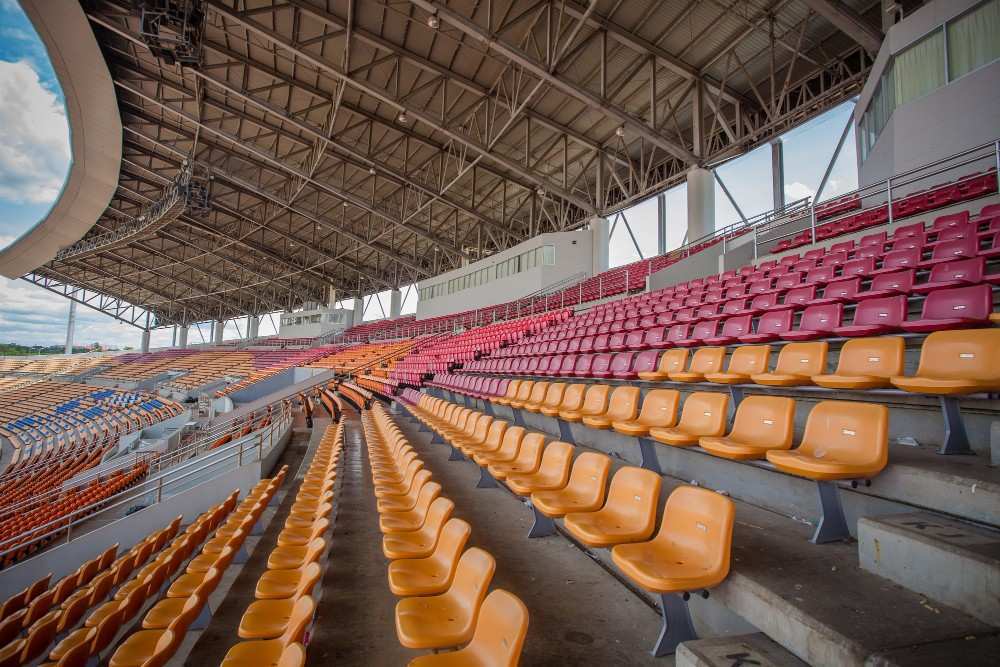
Fans likely never see the maintenance logs or scheduling dashboards, but they do feel the results. Clean restrooms, functioning lighting, safe seating, comfortable temperatures, and well-maintained playing surfaces all contribute to a positive game-day experience.
Sports Facilities Management Software supports this level of consistency by ensuring issues are identified and resolved before they affect events. Fewer disruptions mean fans can focus on the excitement of the game rather than facility shortcomings.
Faster Communication and Real-Time Updates
Many modern software platforms integrate communication tools that allow operators to share updates quickly with staff and users. Schedule changes, weather-related adjustments, or event logistics can be communicated efficiently, reducing confusion and frustration.
For fans, timely information translates into improved trust and engagement. For teams and organizers, it reinforces professionalism and reliability.
Supporting More Events and Community Engagement
When facilities operate efficiently, they can host more than just competitive sports events. Youth leagues, recreational programs, clinics, and community gatherings all benefit from well-managed spaces. This expanded programming helps grow sports participation and builds deeper connections between facilities and their communities. These connections often translate into long-term fan loyalty.
Using Data to Drive Smarter Decisions
We briefly touched on the software’s ability to guide organizations’ maintenance decision-making. But let’s explore this topic more precisely.
One of the most potent advantages of Sports Facilities Management Software is leadership’s access to actionable data. More specifically, this includes utilization rates, maintenance trends, event frequency, and revenue performance, all of which can be analyzed to inform strategic planning.
With the software’s data-generated reports, facility leaders can identify peak usage periods, evaluate which events generate the most engagement, and plan staffing and maintenance accordingly. Over time, this data-driven approach supports continuous improvement and positions facilities to adapt as sports participation and fan expectations evolve.
The Future of Sports Facilities Management
As sports organizations continue to embrace digital technologies, Sports Facilities Management Software will play an increasingly central role. Integration with ticketing systems, fan engagement platforms, and innovative building technologies is already expanding what these systems can support.
The future holds more connected, responsive facilities with spaces that not only operate efficiently but also enhance the fan experience through technology, comfort, and reliability. Facilities that invest in modern management software are better positioned to grow alongside the sports and communities they serve.
Conclusion
Modern sports organizations rely on Sports Facilities Management Software as an essential tool. These platforms help ensure facilities are consistently game-ready, which, in turn, boosts operational efficiency and supports financial sustainability. By creating these conditions, facility management software ultimately drives sports growth.
Beyond operations, the software also significantly impacts fan and participant experience. It cultivates enthusiasm by delivering safer and more reliable environments and an improved overall experience for attendees.
For sports facilities to thrive in the future, they must view technology as a fundamental strategic asset, not just a back-office support function.
TABLE OF CONTENTS