Reena Sommer | 10 Feb 2026


School facilities are busy, high-traffic places. On average, 45.8 million students attend K-12 schools in the U.S. on any given day. Given this number and the particular vulnerability of school populations, it is not surprising that a huge emphasis needs to be placed on school operations management. While instructional quality and curriculum are the most prominent conversations when it comes to school success, effective operations enable everything else to function efficiently and safely. In other words, school operations management forms the backbone of a well-run K-12 environment.
This article explores what school operations management really means, why it matters, and how K-12 schools can strengthen their operational practices. Whether you are a district administrator, facilities manager, or school maintenance operations professional, it is essential to understand these fundamentals for creating safe, efficient, and resilient learning environments.
What Is School Operations Management?
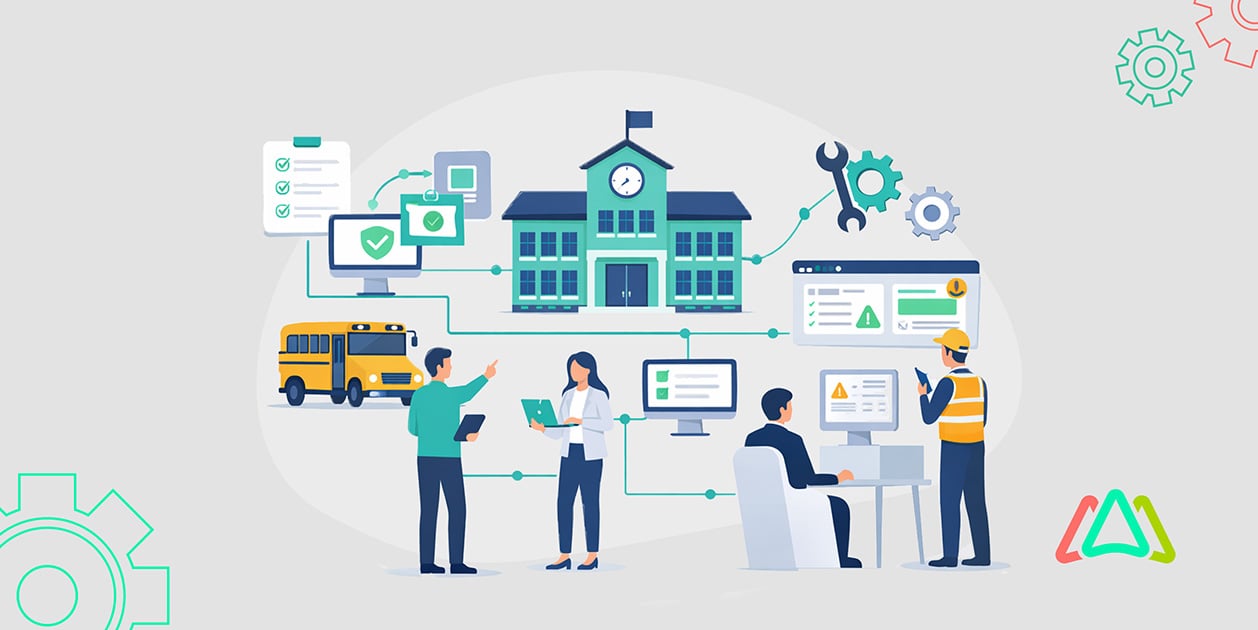
Simply stated, school operations management refers to the planning, coordination, and oversight of the non-instructional functions that support teaching and learning. These functions include facilities management, maintenance, transportation, information technology, administrative processes, and scheduling. Most often, these activities operate behind the scenes but directly influence safety, compliance, efficiency, and overall school performance.
Unlike academic leadership, which focuses on curriculum and instruction, school operations management ensures that physical spaces, systems, and resources are available and functioning as intended. When operations are well managed, classrooms are comfortable, technology works reliably, buses arrive on time, and administrative processes run smoothly. When they are not, consequential disruptions quickly ripple across the entire school community.

Why School Operations Management Matters
Effective school operations management is critical because schools are complex environments with often competing demands and limited resources. Poorly maintained facilities, unreliable transportation, or outdated technology can disrupt learning and, more importantly, create safety risks. These issues also place additional strain on teachers and staff who must work around operational failures.
Strong operations management helps schools reduce unexpected repairs, control costs, and maintain compliance with health, safety, and regulatory standards. It also supports long-term planning by extending the life of facilities and equipment. The bottom line is, when school operations are well organized and proactive, schools are better positioned to focus on their primary mission: educating students.
Core Components of School Operations Management
Facilities Management
Facilities management is one of the most visible aspects of school operations management. It includes overseeing school buildings, classrooms, athletic facilities, and outdoor spaces to ensure they remain safe, functional, and welcoming. This core responsibility goes far beyond fixing broken equipment or responding to emergencies. It also involves inspections, long-term capital planning, and compliance with building codes and safety regulations.
Well-managed facilities support student comfort and safety, staff productivity, and reduce the likelihood of unexpected closures or safety incidents. Schools that prioritize facilities management are better able to address issues such as aging infrastructure, indoor air quality, and accessibility, all of which directly impact learning environments.
Transportation Operations
Transportation operations ensure that students can get to and from school safely and reliably each day. Approximately 26 million K-12 students are transported daily in the United States by school buses, using a fleet of nearly 480,000 yellow buses. In particular, school bus transportation is often one of the most logistically complex components of school operations management, particularly for large districts or rural communities. Because of this, a significant amount of energy and resources is devoted to school bus route planning, bus scheduling, vehicle maintenance, and compliance with transportation safety standards.
Inefficient transportation systems can lead to delays, higher operational costs, and frustrated families. Conversely, well-managed transportation operations improve punctuality, reduce fuel and maintenance expenses, and enhance overall safety. Transportation planning also plays a critical role during weather events, schedule changes, and emergencies to ensure ongoing service and safety.
IT and Digital Infrastructure Management
Technology has become an essential pillar of modern school operations management. From classroom devices and learning platforms to administrative systems and cybersecurity, schools rely heavily on a digital infrastructure to function effectively. Managing these systems requires a dedicated staff that oversees coordination, ongoing maintenance, and proactive planning.
Reliable IT infrastructure supports instruction, communication, data management, and reporting. When systems fail or are poorly managed, disruptions can affect both learning and operations. On the other hand, effective IT management helps schools maintain continuity, protect sensitive data, and adapt to evolving technology needs.
Event and Space Scheduling
K-12 schools also serve as community hubs that host a wide range of activities beyond classroom instruction. Assemblies, athletic events, parent meetings, testing sessions, and community programs all compete for limited space and resources. Coordinating these activities requires thoughtful scheduling and clear communication.
Effective event and space scheduling maximizes facility utilization while minimizing conflicts and disruptions. It also ensures that resources such as custodial services, security, and technology support are available when needed. Schools that manage scheduling well experience fewer last-minute issues and smoother daily operations.
Administrative Operations
Administrative operations form the organizational backbone of school operations management. These functions include enrollment processing, student records, compliance reporting, communication, and front-office coordination. While administrative tasks may seem routine and often mundane, inefficiencies in these processes can quickly cascade into larger operational problems.
Well-organized administrative operations ensure accurate data, timely reporting, and clear communication across departments. They also support regulatory compliance and transparency. When administrative systems are disorganized or overly manual, staff time is wasted, and errors become more likely, increasing stress across the organization.
Guidance and Strategic Planning
Leadership ties all components of school operations management into a cohesive system. Operational leaders are responsible for setting priorities, managing budgets, developing policies, and aligning day-to-day activities with long-term goals. Without strong leadership, even well-designed operational processes can break down.
Strategic planning positions schools to anticipate future needs, address aging infrastructure, and respond to changing enrollment patterns or funding constraints. Effective leaders view operations as a strategic function rather than a reactive one, ensuring that operational decisions support both educational outcomes and financial sustainability.
How School Maintenance Fits Into Operations
School maintenance is a fundamental element of school operations management and directly impacts safety, reliability, and cost control. In this regard, maintenance activities generally fall into three categories: preventive, reactive, and predictive. Preventive maintenance focuses on scheduled tasks designed to reduce equipment failure, while reactive maintenance addresses unexpected issues as they arise.
When maintenance is integrated into broader operations planning, schools can move away from constant reactive emergency repairs and toward more proactive asset management. Regular maintenance extends the life of facilities and equipment, improves safety, and reduces disruptions to learning. Schools that neglect maintenance often face higher long-term costs, disputes, and greater operational risk.

Best Practices for Effective School Operations Management
Cross-Team Collaboration and Communication
Stated simply, successful school operations management depends on collaboration across departments. Facilities teams, administrators, IT staff, and educators must communicate regularly to ensure operational decisions reflect real needs. Clear communication channels are critical for preventing data silos and improving accountability.
Regular coordination meetings, shared dashboards, and standardized processes allow teams to anticipate issues rather than react to them. When collaboration is strong, operational challenges are addressed more efficiently and with fewer disruptions.
Use of Technology and Operations Software
Technology plays a growing role in improving school operations management. Digital tools can centralize work orders, asset data, scheduling, and reporting, and mobile accessibility, reducing reliance on paper-based processes. These platforms provide real-time visibility into operational performance and resource use.
When schools leverage technology effectively, they can prioritize work more accurately, track maintenance history, and make data-driven decisions. The result of shifting from reactive to proactive operations is improved efficiency and transparency across the organization.
Training and Professional Development
Operations staff require ongoing training to keep pace with evolving tools, safety standards, and regulatory requirements. Investing in professional development improves both individual performance and team effectiveness. A well-trained staff is better equipped to identify risks, manage assets, and respond appropriately to operational challenges.
An added benefit of training is improved workforce retention, as it helps staff feel valued and capable in their roles. In a field where institutional knowledge is critical, retaining experienced operations professionals is a significant advantage.
Adaptability and Continuous Improvement
School operations management is anything but static. Schools must regularly review processes, assess performance, and adapt their strategies as conditions change. Situations like enrollment shifts, funding changes, and new regulations all point to the need for operational flexibility.
Continuous improvement practices encourage schools to learn from past challenges and refine workflows over time. By monitoring key performance indicators and gathering feedback, schools can make incremental improvements that strengthen long-term operational resilience.
Benefits of Optimized School Operations Management
When school operations management is optimized, the benefits extend across the entire school community. Facilities are safer and more reliable, technology functions consistently, and administrative processes run more smoothly. School staff experience fewer disruptions, allowing them to focus on instruction rather than logistical issues.
Optimized operations also reduce long-term costs by preventing emergency repairs and extending asset lifecycles. Administrators gain better visibility into resource use and performance metrics, enabling more informed decision-making. Over time, these improvements contribute to stronger school outcomes and greater trust among families and stakeholders.
Tools and Technologies That Support School Operations
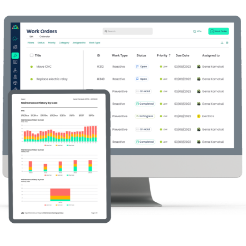
PSchool operations management software merges multiple operational functions into a single, centralized platform. Features such as digital work orders, preventive maintenance schedules, asset tracking, and reporting dashboards improve accountability and efficiency. These tools help schools move away from inefficient, fragmented systems and manual processes.
By unifying operational data, schools are positioned to identify trends, prioritize investments, and align daily activities with strategic goals. Specifically, CMMS and facility management software, such as Click Maint, help prevent equipment breakdowns, ensure compliance, track inspections, and improve efficiency by reducing the time spent managing requests from teachers and other staff. Although technology does not replace sound management practices, it provides the necessary structure and visibility needed to manage complex operations more effectively.
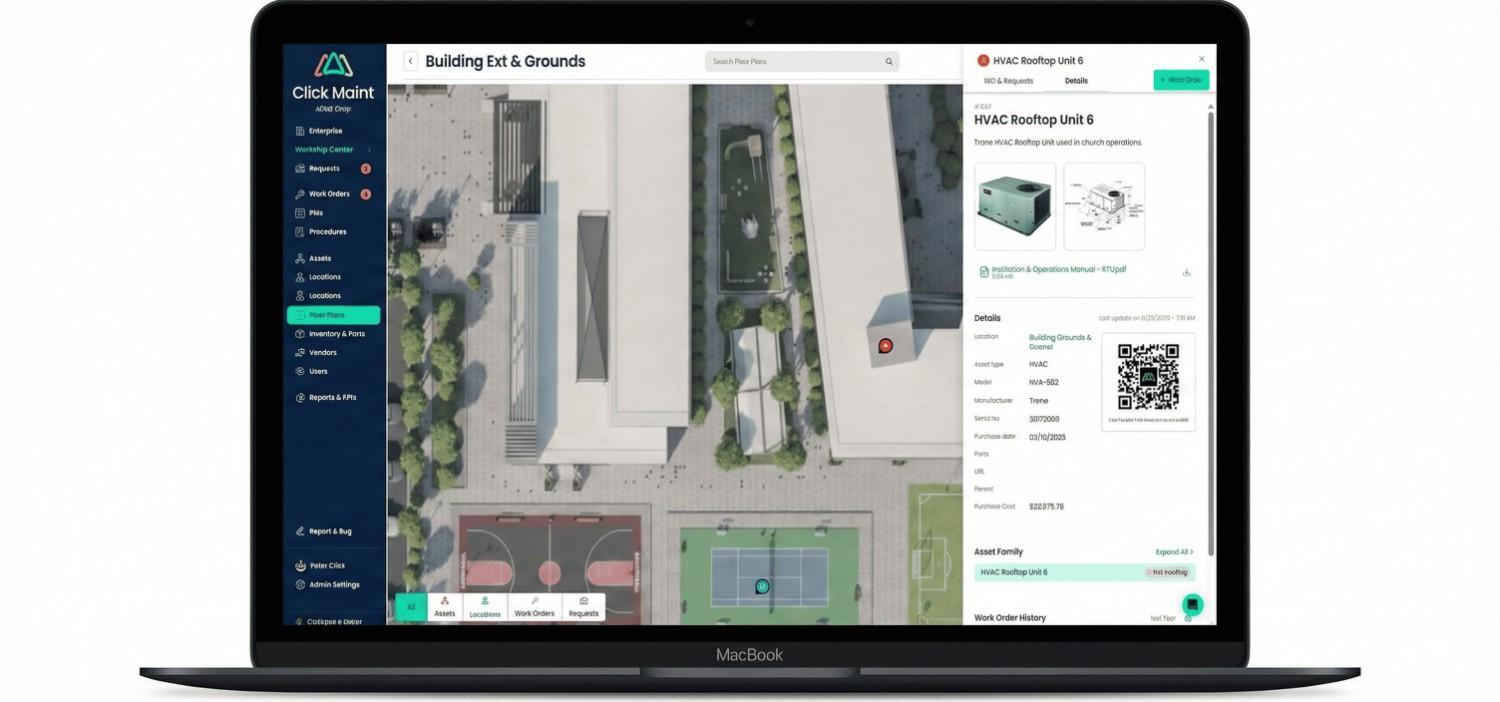
Once asset data is verified for reliability, organizations must fully digitize maintenance and asset workflows. Modern asset management requires replacing paper-based processes, spreadsheets, and disconnected systems with a centralized CMMS or EAM platform that supports real-time updates from the field. Mobile work orders, automated inventory tracking, and integrated purchasing workflows ensure that asset conditions, labor, and spare parts are always visible. Adding IoT sensors to critical equipment further enhances the environment by providing continuous condition data to support smarter maintenance decisions.
Conclusion
School operations management is a critical, yet often underappreciated, component of K-12 success. By effectively managing facilities, transportation, technology, maintenance, and administrative processes, schools create environments where learning can thrive. Strong operations reduce risk, control costs, and support long-term planning, all while improving daily experiences for students and staff.
As schools face increasing pressure to do more with fewer resources, investing in a structured, proactive school operations management process is no longer optional. It is essential to build safe, resilient, and efficient educational environments that are prepared to meet both current challenges and future demands.
TABLE OF CONTENTS