Dayo | 11 Apr 2025


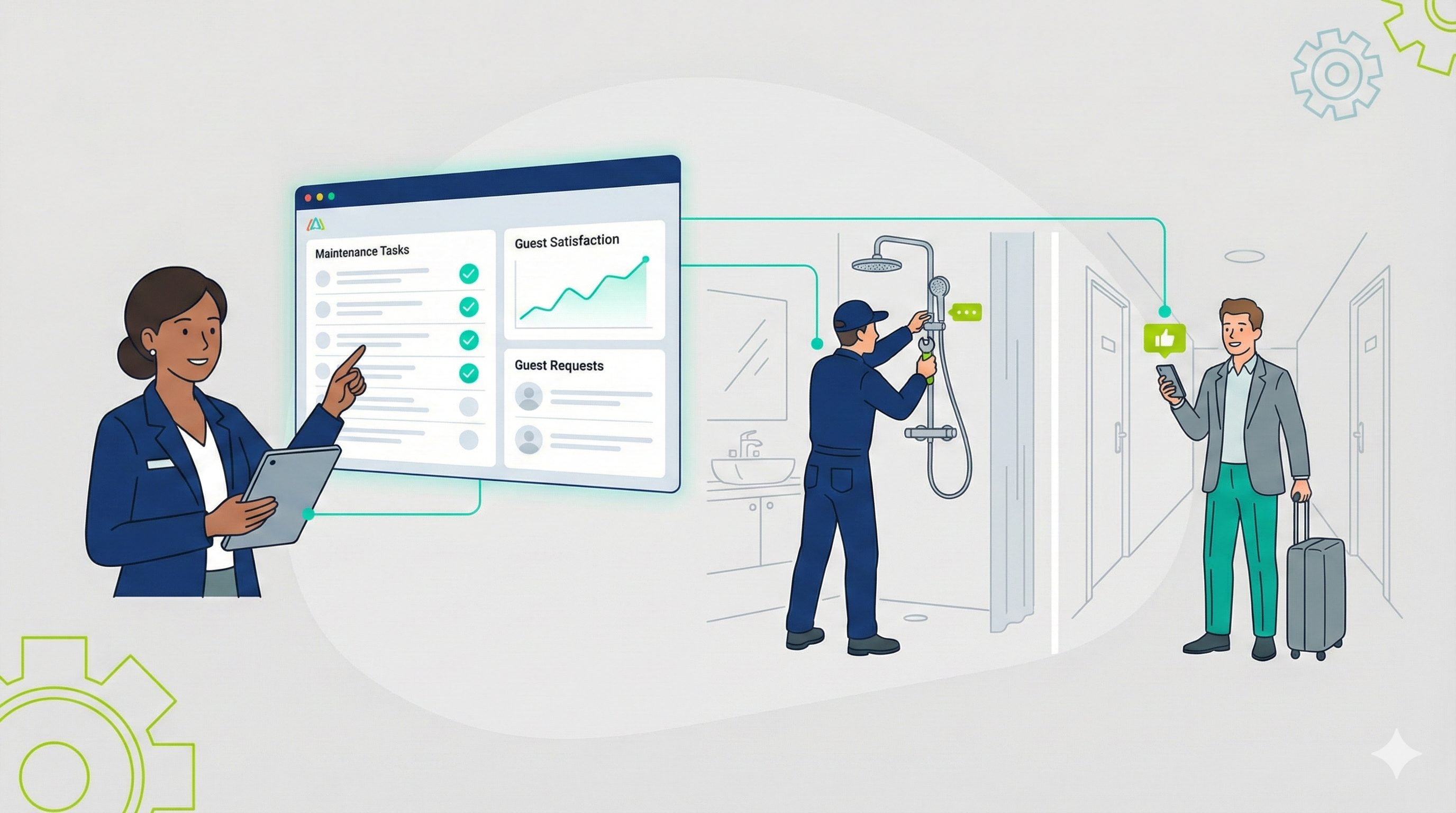
Ever find yourself checking into a luxury hotel and expecting a relaxing stay, only to find a leaking tap, a flickering light, or the swimming pool is out of service due to maintenance being required? Disappointing right? This is where hotel maintenance comes into play and is so critical for hotel managers and owners.
But what exactly is hotel maintenance, and why is it so important?
Hotel maintenance ensures smooth hotel operations by overseeing processes that provide guests with accessible and functioning accommodations and facilities, as well as services that meet or exceed their expectations. Hotel maintenance plays an important role in ensuring a positive guest experience, uninterrupted hotel operations, and long-term profitability. Highly functional facilities enhance guests' comfort and safety and boost the hotel’s reputation.
On the other hand, poor maintenance can lead to serious issues in the hotel, such as unexpected equipment failures, questionable room service, plumbing issues, or HVAC malfunctions, which can result in guest complaints and, even worse, costly legal liability due to accidents. Delayed maintenance can also result in higher repair costs, which leads to financial losses for hotel owners. However, effective hotel maintenance is not that simple and has complexities and challenges.
Positive reviews are known to be one of the best methods for increasing customer patronage, resulting in generating more business and ultimately higher returns for investors. Reviews can make or break businesses in the hotel industry, depending on the sentiment.
This article explores six common maintenance challenges faced by hotel facility and operations managers today – and how to deal with them.
1. Managing High Wear and Tear from Usage
The nature of the hotel business makes wear and tear an unavoidable challenge. Unlike residential spaces, where furniture and other amenities are used moderately, hotels experience heavy, continuous usage due to high traffic and guest turnover. Some hotels and resorts experience higher levels of wear and tear due to the audience they target; some cater to families with children and others allow pets.
Hotel rooms are occupied by different individuals every day, each with different habits and standards of property care. Beds, sofas, carpets, and bathroom fixtures endure significant wear and tear, often with little time unused due to constant use and occupant turnover.
Hotel common areas, such as lobbies, elevators, hallways, and restaurants, experience nonstop foot traffic. Unlike other businesses that have specific closing hours, hotels operate around the clock, meaning surfaces, flooring, and fixtures receive no break from usage.
High-touch areas like door handles, light switches, and remote controls are used daily, making them prone to rapid deterioration. If not managed properly, these factors can lead to frequent breakdowns, higher maintenance costs, negative guest experiences, and even safety hazards.
Solution
To combat this issue, hotels can take a proactive approach to maintenance.
Conducting regular inspections and preventive maintenance is important for hotel owners. By identifying damage early, hotels can address issues before they become costly to repair or replace.
Similarly, hotels can also adopt predictive maintenance techniques using the Internet of Things (IoT sensors to monitor equipment health in real time, detecting issues before failures occur. This enables timely maintenance, reduces downtime, and lowers costs while also improving efficiency and asset lifespan.
Likewise, staff training is another key factor in maintenance. Housekeeping and maintenance teams should be trained to recognize early signs of deterioration and report them promptly. Similarly, hotels can encourage guests to use amenities responsibly through discreet signage or digital reminders.
Finally, rather than waiting for visible damage, hotels should have scheduled refurbishment plans to ensure high-impact areas such as lobbies and guest rooms remain in pristine condition.
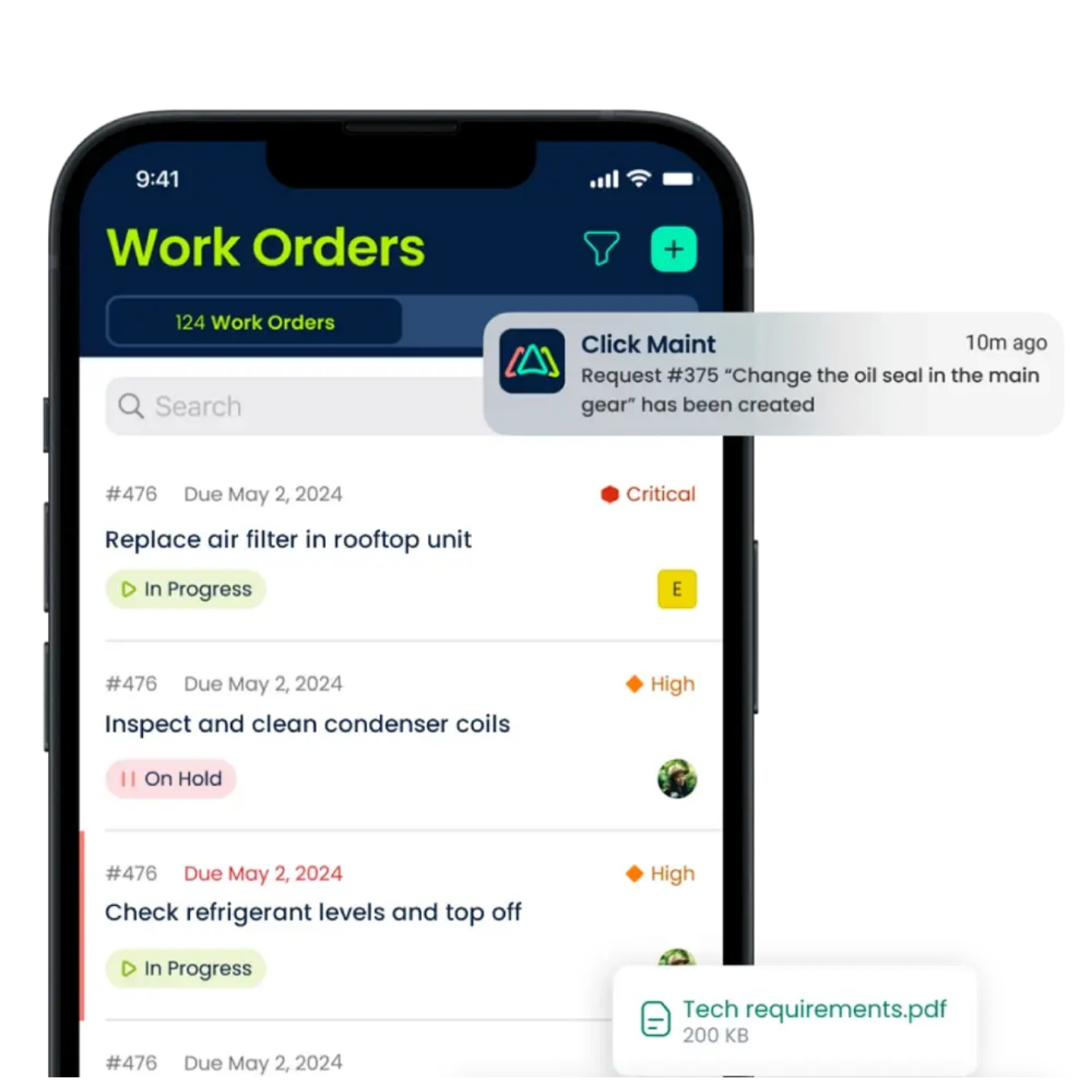
For regular, reoccurring tasks like daily inspections or clean up, it’s recommended that facilities managers use software like a CMMS to automate these tasks and complete them using a CMMS mobile app.
2. Ensuring HVAC and Plumbing System Reliability
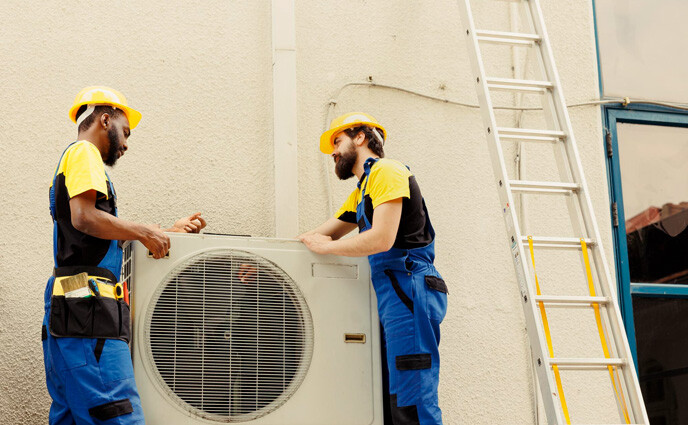
When HVAC systems fail, guests can feel uncomfortable, leading to negative reviews and higher energy bills, as inefficient, outdated systems may struggle to maintain the right temperature.
Without regular maintenance, dust and wear and tear can cause sudden breakdowns, resulting in costly emergency repairs. On top of that, traditional, outdated HVAC systems waste energy by running constantly, even when rooms are empty.
Additionally, Plumbing problems like leaks, clogged drains, and unpredictable water temperatures can add to the frustration, disrupting hotel operations and creating unnecessary expenses.
Solution
Regular HVAC maintenance keeps systems running smoothly, preventing unexpected breakdowns and reducing energy costs. The installation of Smart thermostats and sensors can help optimize temperature settings and catch issues early, saving money and improving guest comfort.
Additionally, routine plumbing inspections can prevent major problems, while water-saving fixtures can also help reduce utility bills. Another solution is adopting a Computerized Maintenance Management System (CMMS), which can make it easy to track maintenance schedules and repairs, keeping everything running efficiently. CMMS software has the ability to automate preventive maintenance tasks and inspections so hotel mechanical, electrical, and plumbing (MEP) equipment is properly maintained and failures and breakdowns are less likely.
3. Balancing Preventive and Reactive Maintenance
Hotels often face challenges in balancing preventive and reactive maintenance. While scheduled upkeep can help prevent equipment breakdowns, unexpected repairs still happen. Relying too much on reactive maintenance can increase costs, disrupt operations, and negatively impact guest satisfaction. Fixing equipment when it breaks is not a viable maintenance strategy for hotels and resorts. These repairs can result in equipment being inoperable for long durations while waiting for technicians to resolve and spare parts. Unplanned issues can also overwhelm staff, leading to inefficiencies.
Solution
Create a Preventive Maintenance Plan: Regular inspections and servicing of hotel assets can help catch small issues before they turn into major problems. However, a plan works best when tasks are well-organized. Categorizing maintenance into urgent, routine, and long-term can ensure that more critical repairs get immediate attention while routine upkeep keeps everything running smoothly. Preventive maintenance is a more effective strategy compared to reactive (run to fail) as it reduces downtime and repair costs. Preventive maintenance should be applied to all critical assets so that unexpected breakdowns are reduced.
Staff training also plays a big role. When employees are required to follow clear maintenance procedures and report issues early, emergency repairs become less frequent.
Additionally, technology can also play a role in minimizing wear and tear. The use of a Computerized Maintenance Management System (CMMS) can help track the condition of assets and alert staff on potential issues before they become bigger problems. When assets are properly maintained, guests experience fewer problems and enjoy their stay more.
4. Maintaining Guest Safety and Comfort Standards
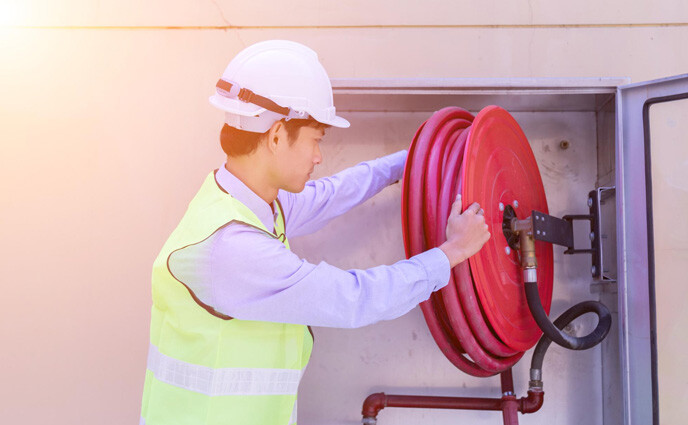
A poorly maintained hotel can turn a guest’s stay into a nightmare. Faulty elevators may trap guests, and fire hazards pose serious risks. Poor air quality can cause discomfort or health issues, and dim lighting can create an unwelcoming, unsafe atmosphere. Also, faulty security systems can lead to intrusion on guests' privacy, leaving them vulnerable to theft. Without proper upkeep, hotels fail to ensure safety and comfort, leading to negative reviews, dissatisfaction, and potential legal issues.
Solution
To maintain a solid guest safety and comfort standard, hotels should conduct regular inspections to identify and address potential hazards. Also, compliance with OSHA, fire safety, and other health regulation bodies can ensure a secure environment for both guests and staff.
Rather than waiting for visible damage, hotels should have scheduled refurbishment plans to ensure high-impact areas such as lobbies and guest rooms remain in pristine condition.
Likewise, staff training on hazard prevention can prepare the team for unexpected situations, which promotes overall safety. Using a hotel CMMS can further streamline operations by tracking safety-related work orders and ensuring timely resolutions.
5. Energy Efficiency and Sustainability Goals
Hotels consume vast amounts of energy, which results in high operational costs and environmental concerns. Moreover, Inefficient lighting, outdated HVAC systems, and excessive water usage can further increase utility bills.
Consequently, hotels prioritizing these practices can gain a competitive edge in the industry, attracting environmentally conscious guests and enhancing their reputation for sustainability.
Solution
To solve this problem, upgrading to LED lighting, motion sensors, and smart energy management systems should be considered as they reduce unnecessary energy consumption.
Additionally, integrating renewable energy sources like solar panels and energy-efficient HVAC systems can significantly reduce costs and carbon footprints. For instance, smart HVAC systems and lighting controls adjust according to occupancy and preferences, ensuring that rooms always have the ideal temperature and lighting levels.
Similarly, tracking energy usage through IoT-powered monitoring systems can allow hotels to identify waste and optimize energy efficiency. This attention to detail not only reduces energy consumption in hospitality but also leaves a lasting impression on guests, making them more likely to return or recommend the hotel to others.
6. Coordinating Maintenance Across Multiple Properties
Managing maintenance across multiple properties is challenging. Challenges include communication gaps, inconsistent quality, and inefficient resource use. Without a solid maintenance system in place, tasks may be delayed, and service standards may vary between locations.
A centralized Computerized Maintenance Management System (CMMS) is an effective solution to address these challenges. It simplifies operations by managing work orders, assigning tasks, and tracking maintenance data. Standard maintenance protocols across all properties can further ensure consistency and efficiency.
Solution
Regular cross-property assessment can help identify areas for improvement and maintain uniform quality standards. Additionally, mobile maintenance apps can also help provide real-time updates, allowing technicians to coordinate seamlessly and respond quickly to issues.
Hotel Maintenance Software - the better decision
It’s no easy task to get hotel maintenance done right, and it’s even harder to keep it consistent. Breakdowns and repairs happen and are a fact if life in hotel and resort facility maintenance. Even the best-maintained hotels will have breakdowns that result in facilities and equipment being inoperable for a time.
Ultimately, the maintenance pain points faced by hotels — reactive breakdowns, slow response times, limited asset visibility, missed preventive tasks, and fragmented communication — are not failures of effort, but failures of process. Manual methods like paper logs, emails, and spreadsheets are inherently reactive and error-prone, making it difficult to maintain consistency across shifts, staff, and properties. Here is a helpful hotel preventive maintenance checklist that can be used.
A purpose-built hotel maintenance software is far better equipped to address these challenges by centralizing requests, automating preventive maintenance, enabling mobile execution, and delivering real-time visibility into work, assets, and costs. Unlike manual approaches, maintenance software creates accountability, standardization, and data-driven decision-making, ensuring issues are resolved faster and before they impact guests. In a hospitality environment where guest satisfaction and operational efficiency are inseparable, hotel maintenance software is no longer optional — it is a critical tool for protecting brand reputation and delivering a consistently high-quality guest experience.
TABLE OF CONTENTS