Reena Sommer | 27 Oct 2026


Food processing plants need reliable equipment, consistent production schedules, and accurate maintenance records. A single equipment breakdown disrupts production, increases operating costs, and creates food safety risks.
Selecting an effective CMMS is essential for maintenance and plant operations leaders aiming to minimize unscheduled downtime, streamline preventive maintenance workflows, and ensure complete asset history tracking.
Food and beverage manufacturers face challenges that differ from other industries. Equipment requires frequent cleaning, refrigeration systems need regular inspections, and maintenance teams must document repairs to support food safety audits.
Modern computerized maintenance management systems (CMMS) help food processing plants organize equipment maintenance, automate maintenance scheduling, track work orders, and maintain digital records.
This guide compares six CMMS platforms for food processing plants in 2026, focusing on compliance documentation, equipment history, preventive maintenance, usability, implementation, and overall value.

What is the Best CMMS for Food Processing Plants in 2026?
Quick Answer: Click Maint, MaintainX, Limble, Fiix, eMaint, and UpKeep are six CMMS platforms worth evaluating for food processing plants in 2026.
Click Maint is a practical choice for small and mid-sized food manufacturers seeking affordable, easy-to-use maintenance management software. Limble and eMaint deserve consideration when detailed maintenance documentation and configurable inspection workflows are priorities. Fiix is suited to industrial maintenance management environments requiring more advanced integrations. MaintainX and UpKeep emphasize mobile maintenance execution.
The right solution depends on facility size, maintenance complexity, food safety requirements, and available resources.
Best CMMS for Food Processing Plants: 2026 Comparison
|
CMMS software |
Primary strength |
Recommended fit |
|
Click Maint |
Ease of use, affordability, core CMMS functionality |
Small and mid-sized food processing plants |
|
MaintainX |
Mobile work orders and digital procedures |
Production teams prioritizing mobile adoption |
|
Limble |
Preventive maintenance and documentation |
Plants with structured inspection requirements |
|
Fiix |
Industrial asset management and integrations |
Larger food manufacturing operations |
|
eMaint |
Configurable workflows and detailed maintenance records |
Complex, compliance-focused operations |
|
UpKeep |
Mobile maintenance and work order management |
Plants with distributed maintenance teams |
These recommendations reflect product positioning and documented capabilities, not independently tested rankings or verified food safety certification.
1. Click Maint – Best for Affordable and Easy-to-Use Maintenance Management Software
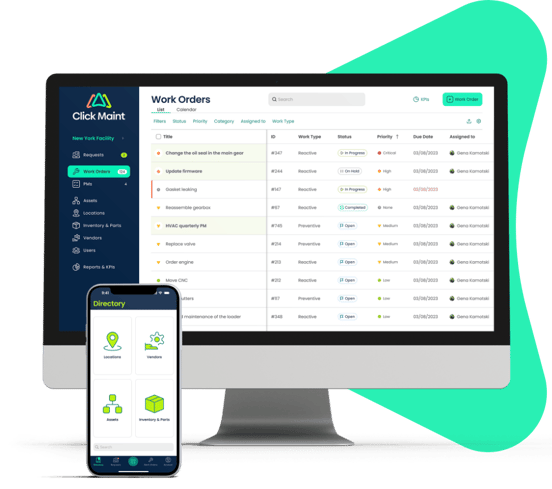
Click Maint is a cloud-based CMMS designed to help maintenance managers organize preventive maintenance, work orders, assets, and spare parts without complicated workflows.
For food processing plant maintenance teams transitioning from spreadsheets or paper records, Click Maint offers a centralized platform for managing daily maintenance operations.
Key Features
- Preventive maintenance scheduling: Organize recurring equipment inspections, lubrication, and servicing.
- Work order management: Create, assign, prioritize, and track maintenance tasks.
- Equipment maintenance tracking: Maintain equipment records and repair histories.
- Inventory management: Track spare parts used for production equipment.
- Mobile maintenance app: Access work orders and equipment information on the production floor.
- QR code scanning: Identify assets and access related maintenance records.
- Maintenance request portal: Allow employees to submit equipment repair requests.
- Interactive floor plans: Locate equipment and organize facility maintenance activities.
How Click Maint Supports Food Processing Maintenance
Consider a food processing plant operating conveyors, mixers, refrigeration systems, and packaging machines.
The maintenance manager creates preventive maintenance schedules for each asset. Technicians receive assigned work orders and record completed tasks.
When a conveyor requires repairs, the team reviews its maintenance history and documents corrective work.
This process helps the plant reduce missed maintenance tasks and improve visibility into equipment reliability.
Compliance and Tracking Considerations
Click Maint helps teams organize maintenance documentation and equipment histories. Food manufacturers should verify whether their required audit trails, electronic approvals, sanitation records, and links to production lots are supported through available configuration or integrations.
A CMMS maintenance record alone does not establish end-to-end food product tracking.
Why Choose Click Maint?
Click Maint is worth evaluating when a food processing facility prioritizes:
- Straightforward implementation and technician adoption
- Affordable maintenance management software
- Preventive maintenance and work order tracking
- Centralized equipment maintenance records
- Practical functionality without enterprise-level complexity
Best suited for: Small and mid-sized food processing plants in the United States and Canada seeking a value-focused CMMS.
See How Click Maint Supports Food Processing Maintenance
Explore preventive maintenance scheduling, equipment tracking, and work order management.
Take the 2-Minute Interactive Product Tour
2. MaintainX – Best for Mobile Maintenance Workflows
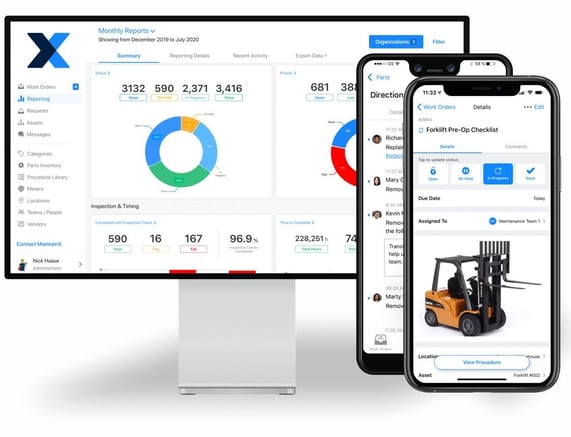
MaintainX emphasizes mobile-first work order management, digital checklists, and technician collaboration. Its workflows are relevant to food and beverage operations with maintenance teams working across production lines.
Key Features
- Mobile work order management
- Digital inspection checklists
- Preventive maintenance scheduling
- Asset maintenance histories
- Team communication
- Maintenance reporting
Compliance consideration: Digital procedures and activity records support maintenance documentation. Plants requiring specialized HACCP, allergen, or lot-tracking workflows should test those requirements during a demonstration.
Implementation consideration: Mobile workflows support technician adoption, although complex integrations and specialized procedures require additional evaluation.
Best suited for: Food processing plants prioritizing mobile technician workflows and consistent work order execution.
3. Limble – Best for Preventive Maintenance and Inspection Documentation
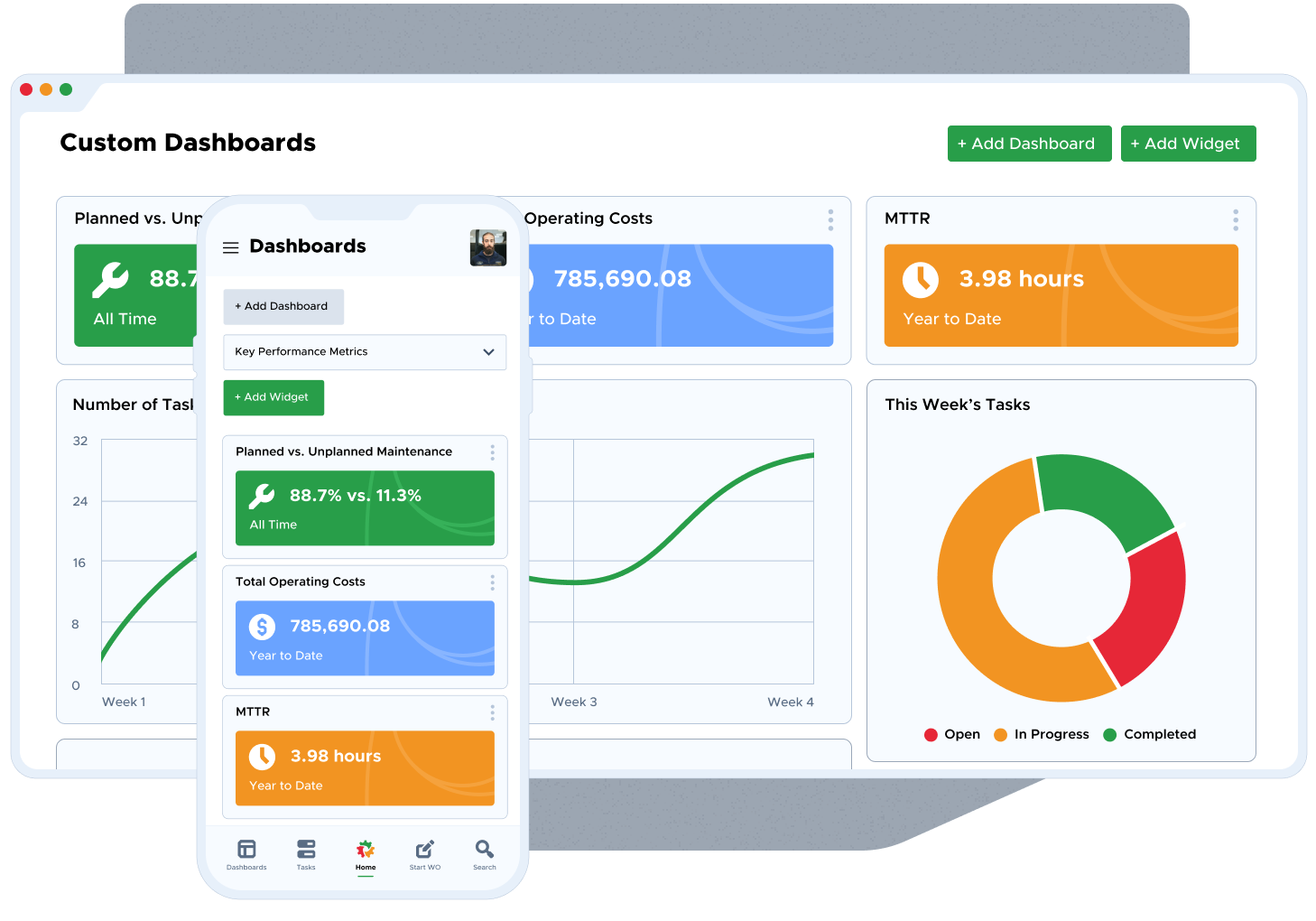
Limble provides preventive maintenance scheduling, asset tracking, digital work orders, and maintenance reporting. These features are relevant to food processing facilities requiring repeatable inspections and accessible maintenance records.
Key Features
- Recurring preventive maintenance schedules
- Equipment service histories
- Inspection checklists
- Spare parts tracking
- QR code asset identification
- Maintenance reporting dashboards
Compliance consideration: Limble's configurable checklists and documentation workflows are useful for maintenance-related audit preparation. Buyers should confirm the capabilities available in their selected plan and the controls required by their food safety program.
Implementation consideration: Plants should test inspection templates, technician permissions, and data migration before deployment.
Best suited for: Food manufacturers seeking structured preventive maintenance and detailed equipment documentation.
4. Fiix – Best for Industrial Maintenance Management and Integrations
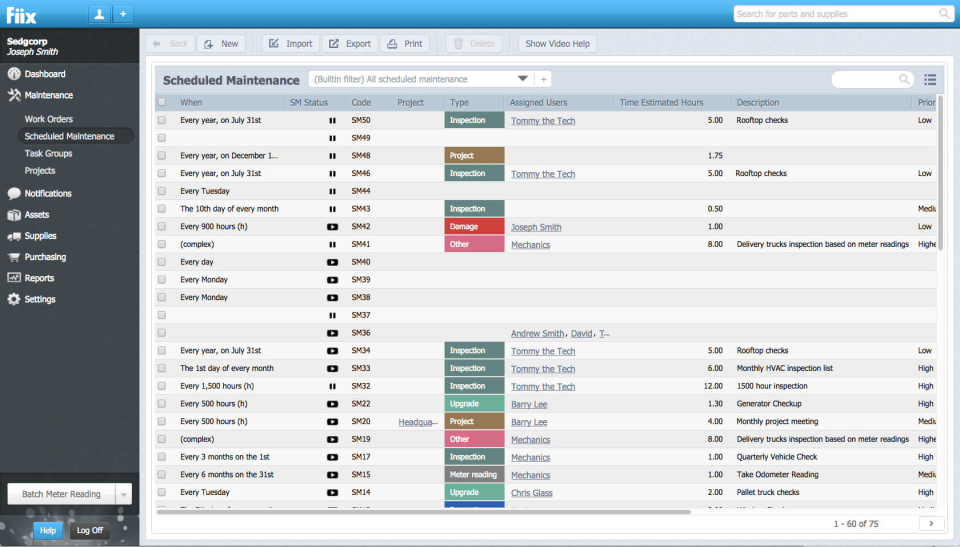
Fiix provides industrial maintenance management capabilities for manufacturers with complex equipment, multiple production lines, and integration requirements.
Key Features
- Preventive maintenance management
- Asset hierarchy and equipment histories
- Maintenance analytics
- Work order automation
- Industrial system integrations
- Condition-monitoring options
Compliance consideration: Maintenance records and inspection workflows help document equipment servicing, while food-specific regulatory processes require appropriate configuration and validation.
Implementation consideration: Advanced integrations and connected equipment workflows introduce additional setup requirements.
Best suited for: Larger food processing operations with complex production assets and industrial integration needs.
5. eMaint – Best for Complex Maintenance and Audit Documentation
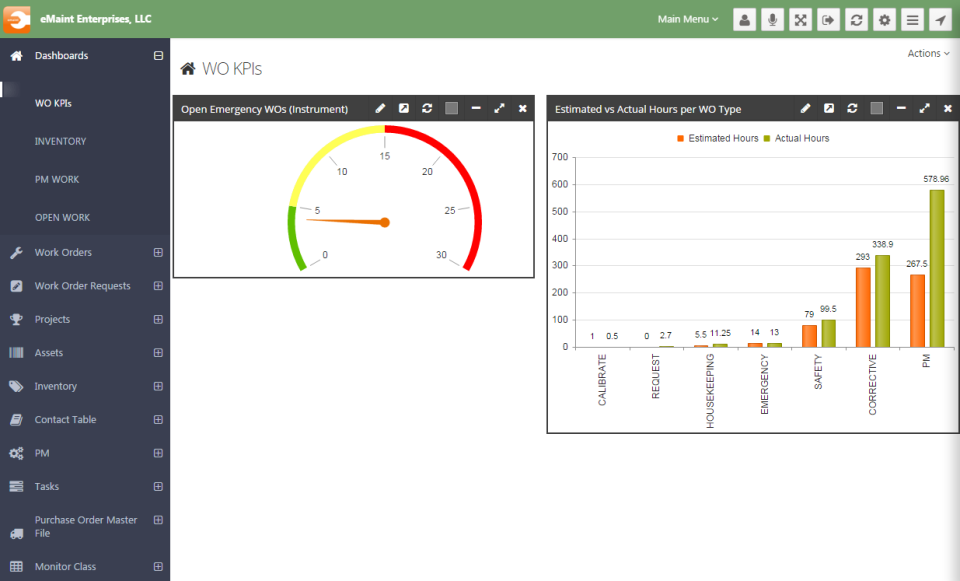
eMaint focuses on configurable maintenance management workflows, detailed asset records, and maintenance reporting for industrial facilities.
Key Features
- Advanced preventive maintenance scheduling
- Custom maintenance workflows
- Detailed asset management
- Inspection and maintenance documentation
- Reporting and audit-support features
- Condition-monitoring integrations
Compliance consideration: Configurable workflows support maintenance-related documentation and inspections. Food manufacturers should validate specific record retention, approval, and electronic signature requirements.
Implementation consideration: Extensive configuration flexibility increases the importance of administrator training and project planning.
Best suited for: Food manufacturers with complex maintenance programs, multiple facilities, or demanding documentation requirements.
6. UpKeep – Best for Mobile Work Orders and Facility Maintenance
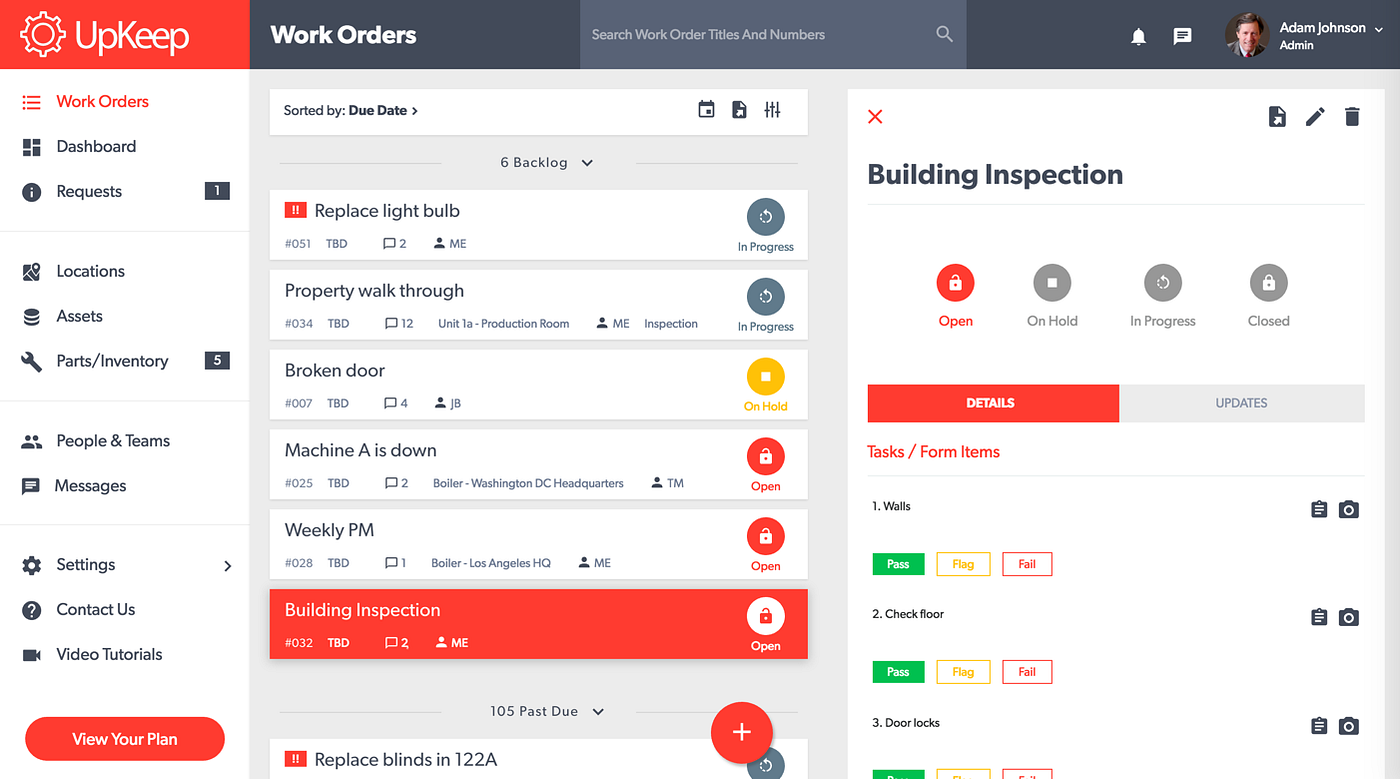
UpKeep offers mobile maintenance management, asset tracking, preventive maintenance, and work order capabilities for maintenance teams.
Key Features
- Mobile work orders
- Preventive maintenance scheduling
- Equipment maintenance records
- Digital checklists
- QR and barcode scanning
- Maintenance dashboards
Compliance consideration: Inspection checklists and work order histories help organize maintenance evidence, but dedicated food safety workflows require evaluation.
Implementation consideration: Buyers should confirm which inventory, reporting, and multi-site features are included in their selected subscription.
Best suited for: Food processing facilities prioritizing mobile work orders and day-to-day maintenance execution.
What Features Matter Most in Food Processing Plant Maintenance Software?
Food processing plants require more than basic maintenance scheduling. Equipment reliability, sanitation procedures, inspection documentation, and production tracking all affect maintenance decisions.
1. Food Safety Compliance Documentation
Maintenance management software should help teams document equipment inspections, repairs, corrective actions, and service completion.
For facilities operating under FSMA, HACCP-based programs, SQF, or BRCGS, maintenance documentation forms part of a broader food safety management process.
The FDA's preventive controls framework emphasizes hazard analysis, monitoring, corrective actions, and appropriate recordkeeping.
2. Equipment and Maintenance History Tracking
Maintenance records should identify the equipment serviced, work completed, technician responsible, and completion date.
For example, a food processing plant should maintain repair records for a conveyor used in packaged food production.
When maintenance work affects product safety, quality teams also need a process to connect maintenance events to relevant production periods or batches.
Important distinction: Equipment maintenance history is not the same as food lot tracking. Plants requiring both should verify CMMS integration with their ERP, manufacturing execution, or food safety systems.
3. Preventive Maintenance Scheduling
Preventive maintenance helps food processing plants address equipment wear before breakdowns interrupt production.
Common maintenance scheduling activities include:
- Daily conveyor inspections
- Weekly equipment lubrication
- Monthly refrigeration system checks
- Scheduled packaging machine servicing
- Routine pump and motor inspections
- Planned maintenance during production shutdowns
Automated scheduling helps maintenance managers assign tasks and track completion.
4. Mobile Usability
Maintenance technicians work across processing areas, storage facilities, refrigeration rooms, and packaging lines.
Mobile CMMS access helps technicians review work orders, update maintenance status, and document repairs without returning to an office.
Food manufacturers should also evaluate mobile usability in washdown areas, offline access, and device compatibility.
5. Implementation and Training
A CMMS provides value when maintenance employees use it consistently.
Before purchasing maintenance management software, facilities managers should evaluate data migration, setup requirements, technician training, ongoing support, and the effort required to maintain inspection workflows.
CMMS Compliance and Implementation Comparison
The following table provides a practical evaluation framework. It does not represent certification status or a feature-by-feature technical audit.
|
Software |
Maintenance documentation focus |
Usability and implementation considerations |
|
Click Maint |
Work orders, PM records, asset histories |
Designed for straightforward core maintenance workflows |
|
MaintainX |
Digital procedures, checklists, activity records |
Mobile-first technician experience |
|
Limble |
PM checklists, asset records, reporting |
Structured workflows with configurable setup |
|
Fiix |
Asset records, maintenance analytics |
More planning for advanced integrations |
|
eMaint |
Detailed records, configurable approvals |
Greater configuration and administration needs |
|
UpKeep |
Work orders, inspection records |
Mobile-focused, with plan-dependent capabilities |
For each platform, ask vendors to demonstrate required audit trails, record exports, user permissions, electronic approvals, and integrations using a real food processing maintenance scenario.
How Does CMMS Software Help Reduce Unplanned Downtime in Food Processing?
Unplanned downtime affects production output, labor efficiency, maintenance spending, and delivery schedules.
A CMMS helps maintenance managers shift from reactive repairs toward planned equipment maintenance.
For example, a food processing facility operates a packaging line for 16 hours each day. When the conveyor motor fails, the entire packaging process stops.
With preventive maintenance software, the maintenance team schedules regular inspections, tracks recurring problems, and records previous repairs.
This gives maintenance managers more information for planning repairs before failures interrupt production.
Example: Potential Downtime Savings
|
Metric |
Illustrative value |
|
Monthly unplanned downtime |
15 hours |
|
Estimated downtime cost per hour |
$2,000 |
|
Monthly downtime cost |
$30,000 |
|
Annual downtime cost |
$360,000 |
|
Assumed downtime reduction |
20% |
|
Potential annual savings |
$72,000 |
These figures illustrate a hypothetical scenario, not measured results from any vendor. Actual savings depend on equipment condition, maintenance practices, and implementation success.
How Should Food Processing Plants Choose the Right CMMS?
Maintenance and facilities managers should evaluate software using a consistent scoring process.
CMMS Evaluation Scorecard
Rate a CMMS from 1 (poor fit) to 5 (excellent fit) after reviewing its demonstration. Adjust the scores to calculate a weighted suitability rating.
Compliance documentation and equipment tracking
25% weight
3/5
Preventive maintenance and scheduling
25% weight
3/5
Usability and technician adoption
20% weight
3/5
Implementation and support
15% weight
3/5
Total cost and long-term value
15% weight
3/5
Weighted suitability score
Based on your ratings, not vendor testing
60/100
Copy Evaluation Results
The scoring weights are suggested starting points. Plants with demanding food safety controls should establish mandatory compliance requirements before considering weighted scores.
Click Maint Food Manufacturing Case Study: LaMonica’s Pizza Dough

Food processing and manufacturing facilities face maintenance challenges, including unexpected equipment breakdowns, production delays, preventive maintenance scheduling, and equipment reliability.
LaMonica’s Pizza Dough, a food manufacturing company, is featured in Click Maint’s customer case studies. Its experience highlights the importance of organized maintenance operations in a food production environment.
For food manufacturers, reliable equipment is essential to maintaining production schedules, reducing unplanned downtime, and keeping daily operations running smoothly.
Click Maint CMMS helps food manufacturing maintenance teams manage work orders, schedule preventive maintenance, track equipment maintenance history, and improve visibility into maintenance activities through one centralized system.
The LaMonica’s Pizza Dough case study provides a real-world example for food processing businesses exploring maintenance management software to improve equipment reliability and streamline maintenance workflows.
Read the Customer Success Story: LaMonica’s Pizza Dough – Click Maint Case Study
Why Should Food Processing Plants Consider Click Maint?
For small and mid-sized food manufacturers, choosing maintenance management software involves balancing functionality, affordability, and ease of use.
Click Maint brings together preventive maintenance, work order management, equipment maintenance tracking, inventory management, and mobile maintenance tools.
Rather than choosing the platform with the longest feature list, maintenance leaders should prioritize the system their technicians will use consistently.
Click Maint is especially relevant for plants seeking to replace spreadsheets, improve maintenance scheduling, and centralize equipment records.
The company has also received recognition from software review platforms and was featured by CIOReview for work order management software serving Canadian companies.
Read Click Maint's CIOReview Feature
Modernize Your Food Processing Maintenance Operations
See how Click Maint helps your team organize maintenance schedules, equipment histories, and daily work orders.
Explore Click Maint and Schedule a Demo
Frequently Asked Questions
What is the best CMMS for food processing plants in 2026?
Click Maint, MaintainX, Limble, Fiix, eMaint, and UpKeep are relevant options. Click Maint suits smaller teams prioritizing affordability and usability, while Limble and eMaint are worth evaluating for detailed documentation workflows. Fiix suits complex industrial maintenance environments.
How does maintenance management software support food safety compliance?
Maintenance management software helps organize equipment inspections, preventive maintenance schedules, repair histories, and corrective maintenance records. Compliance depends on the facility's procedures, software configuration, and applicable regulatory requirements.
What is the difference between CMMS and food safety management software?
CMMS focuses on equipment maintenance, work orders, preventive maintenance, and asset records. Food safety management software focuses on food safety plans, monitoring, corrective actions, and product-related compliance records. Integration helps connect these processes.
Which CMMS is suitable for small food processing plants?
Click Maint is a practical option for small food processing plants seeking easy-to-use maintenance management software with preventive maintenance scheduling, asset tracking, work orders, and inventory management.
How does preventive maintenance reduce food processing downtime?
Preventive maintenance helps teams inspect, service, and repair equipment before unexpected failures interrupt production. Maintenance scheduling and equipment histories support consistent servicing and earlier identification of recurring problems.
What should food manufacturers check before implementing a CMMS?
Food manufacturers should review compliance documentation needs, equipment history tracking, preventive maintenance features, mobile usability, software integrations, implementation costs, training requirements, and support.
Final Verdict: Which CMMS Should Food Processing Plants Choose in 2026?
There is no single CMMS that meets every food processing facility's requirements.
Large manufacturers with complex industrial assets should evaluate Fiix and eMaint. Food processing plants requiring structured preventive maintenance and inspection documentation should consider Limble. MaintainX and UpKeep are relevant for mobile-first maintenance teams.
For small and mid-sized food processing plants prioritizing affordability, usability, and core maintenance functionality, Click Maint deserves a place on the shortlist.
The right maintenance management software should help maintenance teams complete preventive maintenance consistently, maintain accurate equipment records, and improve production reliability.
Ready to Improve Food Processing Plant Maintenance?
Discover how Click Maint helps maintenance managers simplify preventive maintenance, organize work orders, and track equipment across food processing facilities.

TABLE OF CONTENTS